





The Conditions and Symptoms That Hormonal Treatment Can Help Address
Hormonal health is central to nearly every aspect of a woman’s physical and emotional wellbeing — and when hormones fall out of balance, the effects ripple through the body in ways that can be profoundly disruptive to daily life. Understanding which conditions and symptoms respond well to hormonal treatment is the first step toward knowing whether it might be the right path forward.
How Hormonal Imbalance Affects the Body
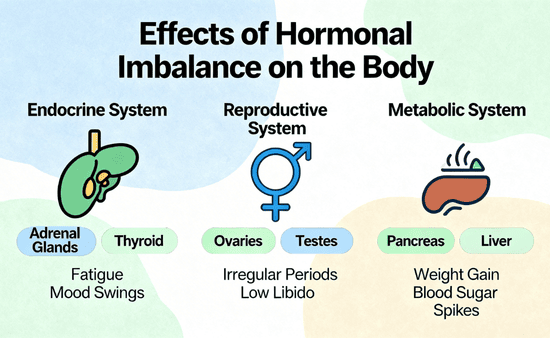
Hormones are chemical messengers that regulate an extraordinarily wide range of bodily functions — from metabolism and mood to sleep, bone density, cardiovascular health, cognitive function, and reproductive health. When the delicate balance between these messengers is disrupted — whether by the natural transitions of aging, by underlying health conditions, or by environmental and lifestyle factors — the resulting symptoms can affect virtually every system in the body simultaneously.
For many women, the connection between their symptoms and their hormonal health is not immediately obvious. Fatigue, brain fog, weight gain, mood changes, and sleep disruption are frequently attributed to stress or aging rather than recognized as signs of a hormonal imbalance that is both identifiable and treatable.
Perimenopause and Menopause
The most widely recognized application of hormonal treatment in women’s health is the management of symptoms associated with perimenopause and menopause — the natural transition that occurs as the ovaries gradually reduce their production of estrogen and progesterone.
Hot flashes and night sweats are among the most immediately disruptive symptoms of this transition, affecting sleep quality, daily comfort, and overall quality of life for many women. Vaginal dryness and discomfort during intimacy — caused by the thinning and reduced lubrication of vaginal tissue that accompanies declining estrogen levels — are among the most common yet least discussed symptoms of menopause, significantly affecting relationships and quality of life. Mood changes including irritability, anxiety, and low mood are also closely linked to the hormonal fluctuations of perimenopause and respond well to appropriate hormonal support.
Beyond these immediate symptoms, the long-term consequences of declining estrogen levels — including accelerated bone density loss leading to osteoporosis, increased cardiovascular risk, and cognitive changes — represent important health considerations that hormonal treatment may help address when initiated at the appropriate time and in the appropriate form.
Premenstrual Syndrome and Premenstrual Dysphoric Disorder

For women of reproductive age, the cyclical hormonal fluctuations of the menstrual cycle can produce a range of physical and psychological symptoms in the days preceding menstruation. Premenstrual syndrome encompasses a broad cluster of symptoms including bloating, breast tenderness, headaches, fatigue, irritability, and mood changes that consistently appear in the luteal phase of the cycle and resolve with the onset of menstruation.
Premenstrual dysphoric disorder represents a more severe presentation of cyclical hormonal symptoms — characterized by pronounced mood disturbance, intense irritability or anger, significant anxiety, and depressive symptoms that substantially impair daily functioning in the days before menstruation. Both conditions reflect an underlying sensitivity to the hormonal fluctuations of the cycle and can respond meaningfully to hormonal interventions that stabilize these fluctuations or address the progesterone deficiency that frequently underlies them.
Thyroid Dysfunction
The thyroid gland produces hormones that regulate metabolism, energy production, body temperature, heart rate, and a wide range of other physiological functions. Thyroid dysfunction — both underactive and overactive thyroid — is significantly more common in women than in men and can produce a broad and often confusing array of symptoms that overlap with those of other hormonal conditions.
Hypothyroidism — an underactive thyroid — produces symptoms including persistent fatigue, unexplained weight gain, cold intolerance, hair thinning, dry skin, constipation, brain fog, and low mood. Hyperthyroidism — an overactive thyroid — produces the opposite pattern, with symptoms including unintended weight loss, heart palpitations, heat intolerance, anxiety, and sleep disruption. Accurate diagnosis through comprehensive thyroid testing — going beyond the standard TSH measurement to include free thyroid hormone levels and thyroid antibodies — is essential before treatment is initiated.
Adrenal Dysfunction and Cortisol Imbalance
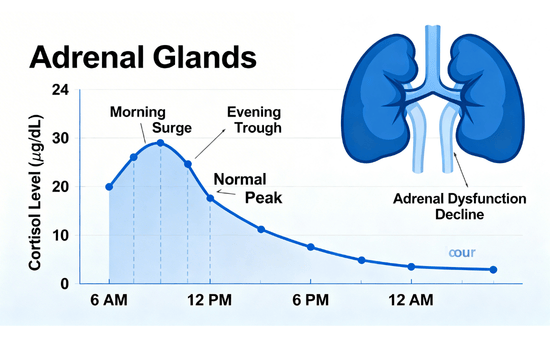
The adrenal glands produce cortisol — the body’s primary stress hormone — as well as DHEA and other hormones that influence energy, immune function, and reproductive health. Chronic stress, inadequate sleep, and persistent illness can dysregulate adrenal function over time, producing a pattern of symptoms including profound fatigue — particularly in the morning — difficulty recovering from physical or emotional stress, blood sugar instability, salt and sugar cravings, and a general sense of being unable to cope with demands that previously felt manageable.
Adrenal dysfunction is frequently underdiagnosed in conventional medical settings because standard testing does not capture the subtler forms of adrenal dysregulation that nonetheless produce significant symptoms. A more comprehensive assessment — including salivary or urinary cortisol testing across multiple time points throughout the day — provides a more accurate picture of adrenal function and guides appropriate treatment.
Insulin Resistance and Metabolic Hormonal Disruption
Insulin resistance — a condition in which cells become progressively less responsive to insulin’s signal — is closely linked to disruptions in sex hormone balance, particularly in women with polycystic ovary syndrome. The resulting hormonal environment — characterized by elevated androgens, irregular or absent ovulation, and disrupted estrogen and progesterone balance — produces symptoms including irregular menstrual cycles, excess facial and body hair, acne, difficulty conceiving, and weight gain concentrated around the abdomen.
Addressing the underlying insulin resistance through dietary modification, targeted supplementation, and appropriate hormonal support is central to managing the full spectrum of symptoms associated with this condition.
Finding the Right Support
The conditions and symptoms that respond to hormonal treatment are as varied as the women who experience them — and the most effective treatment is always one that is built on a thorough, individualized assessment of each patient’s specific hormonal profile. Women seeking hormone therapy in Minnesota will find that experienced specialists combine comprehensive hormonal testing with a personalized treatment approach that addresses the full picture of each patient’s hormonal health rather than isolated symptoms alone.
Conclusion
Hormonal imbalances affect women across every stage of life — from the cyclical fluctuations of the reproductive years to the longer-term transitions of perimenopause and beyond. Recognizing the conditions and symptoms that hormonal treatment can meaningfully address is the first step toward finding the care that makes a genuine difference in how you feel every day.