



Top 10 Design Trends for Modern Restaurant Spaces
The atmosphere of a restaurant speaks to guests before they even glance at the menu. Interior design sets the tone for the entire meal, shaping how people feel as they eat, converse, and linger. A well-designed space can turn a simple dinner into a memorable event, encouraging patrons to return time and time again.
Restaurant aesthetics are constantly shifting to meet new consumer expectations. Diners now look for environments that feel authentic, comfortable, and visually striking. Staying current with these shifts helps owners create spaces that resonate deeply with their target audience.
If you are planning a renovation or opening a new dining establishment, understanding current styles is essential. We have compiled the top 10 design trends currently shaping modern restaurant spaces, giving you the inspiration needed to build an unforgettable dining environment.
1. Biophilic Design and Greenery
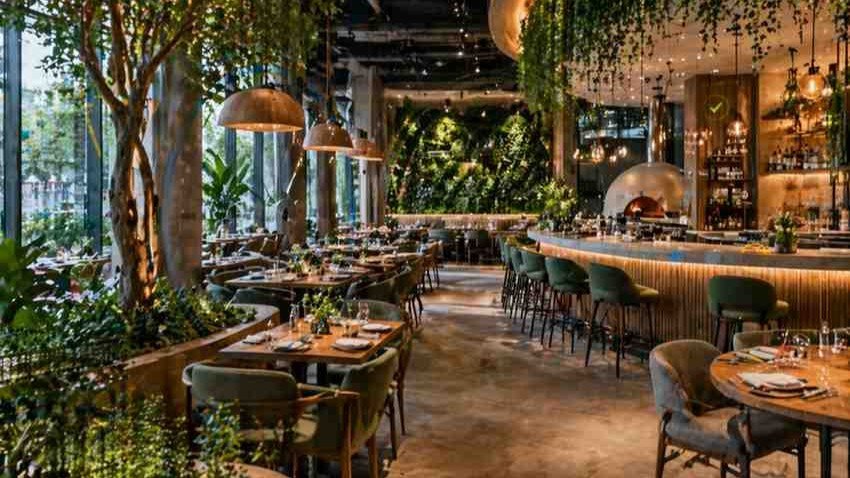
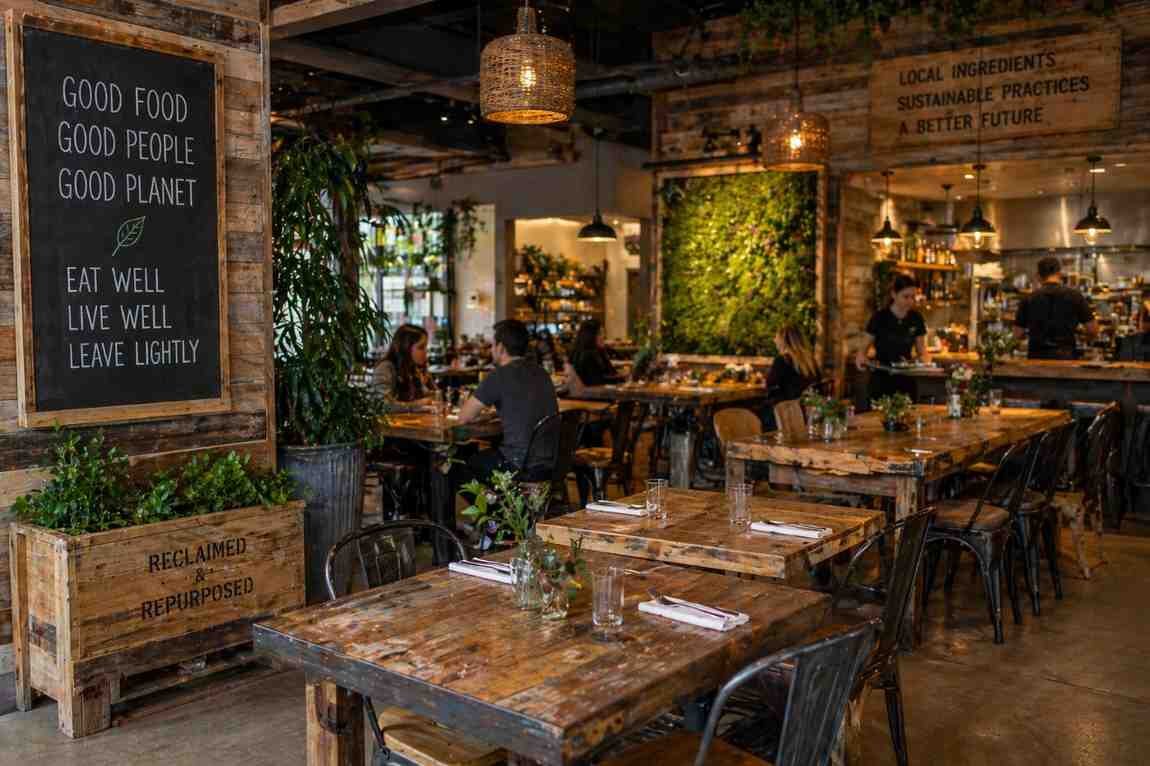
Bringing the outdoors inside is a massive movement in commercial interiors. Biophilic design focuses on integrating natural elements into the built environment. Restaurants are adding living walls, hanging planters, and large indoor trees to their dining rooms. These natural elements purify the air and create a calming psychological effect. Greenery softens harsh architectural lines and makes large, echoey rooms feel intimate and welcoming.
2. Transparent Open Kitchens
Guests love to see where their food comes from. Open kitchens remove the mystery of food preparation and turn cooking into a theatrical performance. This design choice builds trust through transparency. The sights, sounds, and smells of the kitchen drift into the dining area, stimulating appetites and adding a layer of dynamic energy to the room. Careful ventilation and strategic lighting are necessary to ensure the kitchen remains a focal point without overwhelming the guests.
3. Statement Custom Lighting
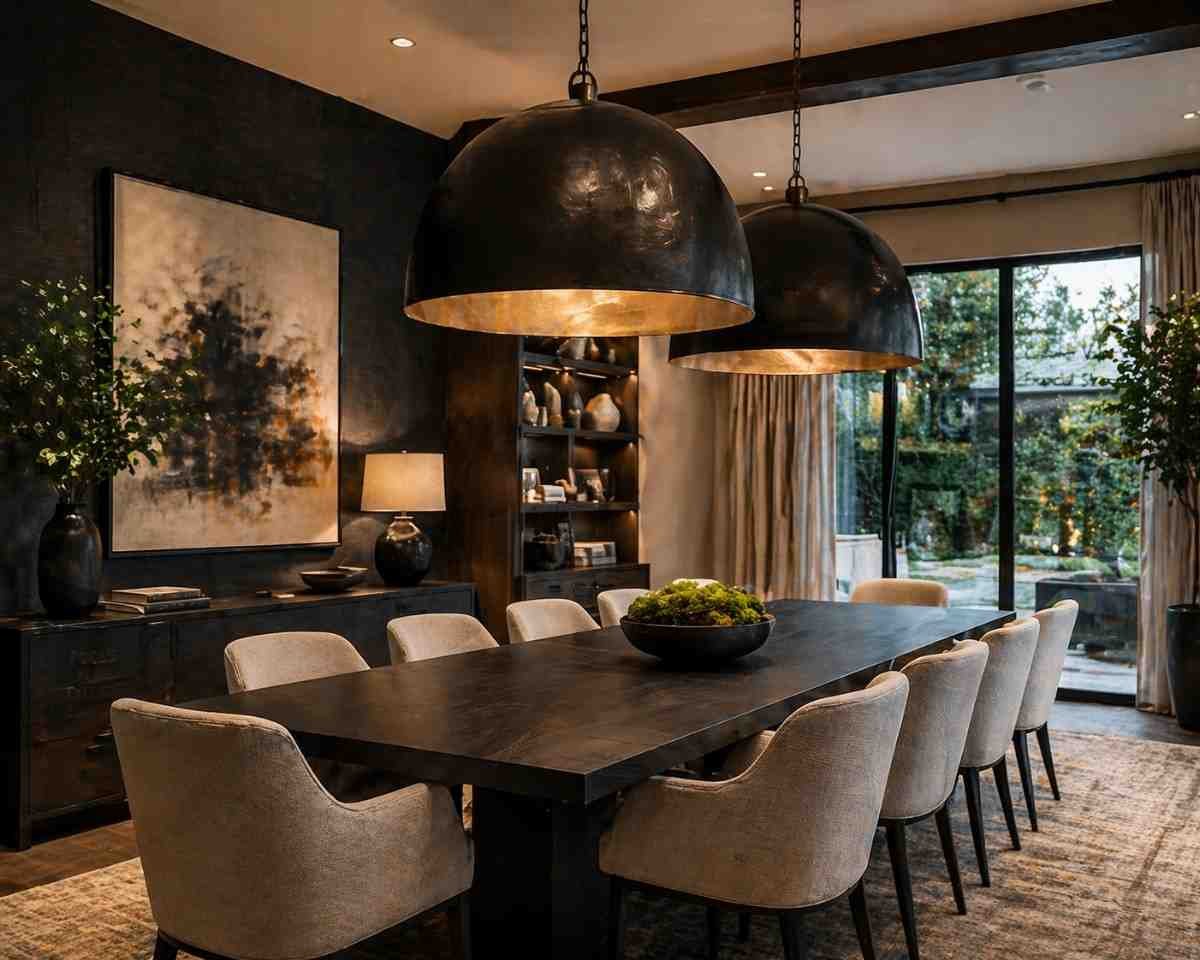
Lighting is no longer just a functional necessity. Modern restaurants use oversized pendants, sculptural chandeliers, and custom neon signs as primary art pieces. Good lighting design uses multiple layers, combining ambient, task, and accent lighting to set a specific mood. Warm, dimmable lights create intimacy for evening services, while bright, striking fixtures draw the eye and define different zones within an open floor plan.
4. Sustainable and Reclaimed Materials
Eco-conscious design is a priority for many modern consumers. Restaurant owners are responding by incorporating sustainable materials into their builds. Reclaimed wood from old barns, recycled glass countertops, and upcycled furniture are highly sought after. These materials reduce the environmental impact of a renovation while adding genuine character and history to the space. Patrons appreciate the visible commitment to environmental responsibility.
5. Flexible and Modular Seating
Predicting party sizes can be a challenge on a busy Friday night. Flexible seating arrangements allow staff to adapt the dining room layout on the fly. Modular banquettes, movable partitions, and easily combinable two-top tables provide the agility needed to accommodate both cozy date nights and large celebrations. This adaptability maximizes floor space and ensures no customer feels crammed into an awkward corner.
6. Minimalist Table Settings
Cluttered tables are becoming a thing of the past. Modern dining spaces favor clean, uncluttered surfaces that let the food shine. You might see a simple linen napkin, delicate glassware, and a sleek stainless steel plate used to present shared appetizers. This minimalist approach requires fewer items to be cleared and cleaned, streamlining service while presenting a highly refined, contemporary aesthetic.
7. Bold Color Palettes and Textures
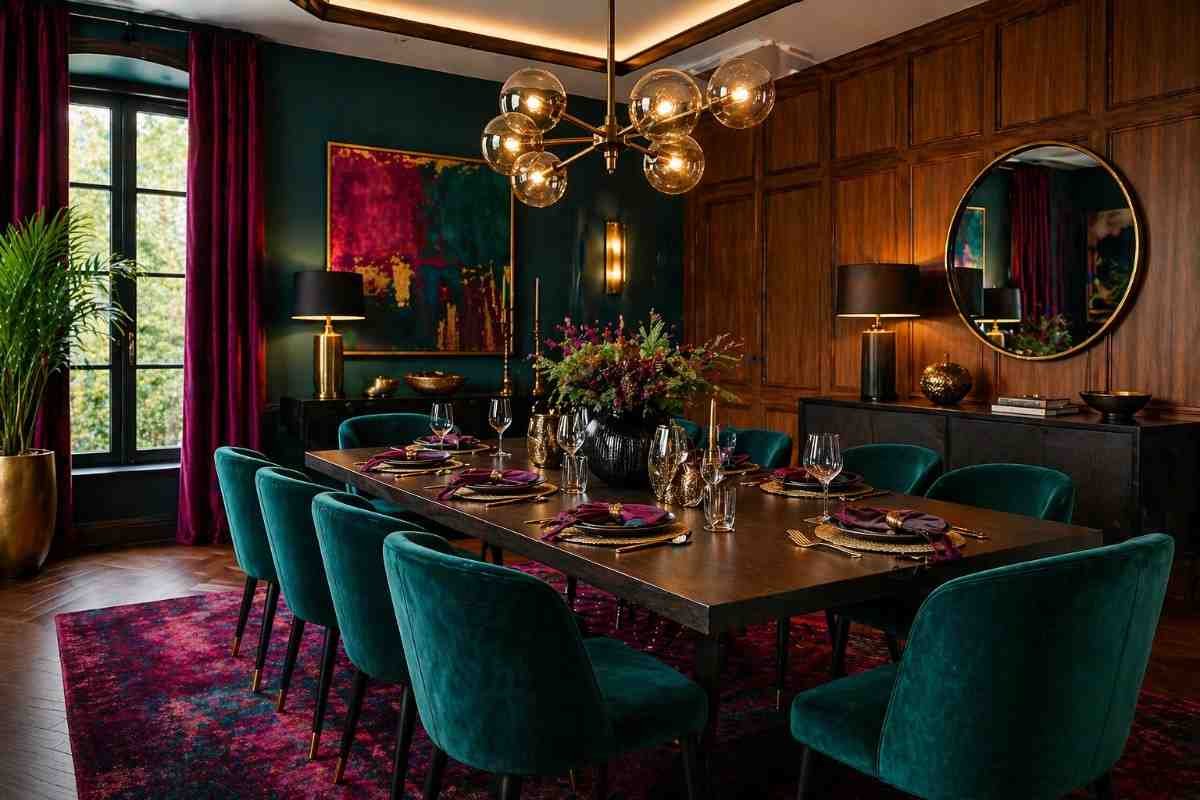
While minimalism rules the table setting, the surrounding walls are getting louder. Designers are stepping away from safe, neutral gray tones in favor of rich, saturated colors. Deep emerald greens, terracotta oranges, and moody navy blues are highly popular. These bold colors are paired with highly tactile surfaces like velvet upholstery, ribbed wood paneling, and textured plaster walls. This combination engages the senses and creates a luxurious atmosphere.
8. Hyper-Local Art and Decor
Restaurants are increasingly viewing their walls as community galleries. Highlighting the surrounding neighborhood makes a restaurant feel like a true local staple. Owners are commissioning murals from neighborhood street artists, hanging photographs by local creatives, and sourcing pottery from nearby craftspeople. This hyper-local approach gives the restaurant a unique identity that cannot be replicated by major chain establishments.
9. Advanced Acoustic Control
A beautiful restaurant loses its charm if guests have to shout across the table to hear each other. Hard surfaces like concrete floors and exposed brick walls bounce sound around, creating an uncomfortable clamor. Modern design subtly integrates acoustic control from the beginning. Sound-absorbing panels are hidden in the ceiling, thick drapery is hung around windows, and upholstered seating is used to absorb excess noise and create a pleasant conversational environment.
10. Seamless Technology Integration
Technology is a critical part of modern dining, but it shouldn’t ruin the aesthetic. The best restaurant designs hide point-of-sale systems, charging stations, and reservation screens seamlessly within the millwork. QR code menus are often elegantly printed on brass or wood blocks that match the table decor. This hidden technology ensures smooth, efficient service without disrupting the carefully curated visual atmosphere.
Crafting Your Next Great Dining Space
Creating a successful restaurant interior requires balancing visual appeal with operational flow. The trends outlined above highlight a shift toward environments that are sustainable, adaptable, and highly sensory. By thoughtfully integrating greenery, embracing bold textures, and prioritizing guest comfort through acoustics, you can build a space that patrons will love to experience. Use these concepts as a foundation to design a restaurant that looks beautiful and operates flawlessly.