

The Evolution of Cannabis Culture: From Counterculture to Mainstream Wellness in 2026
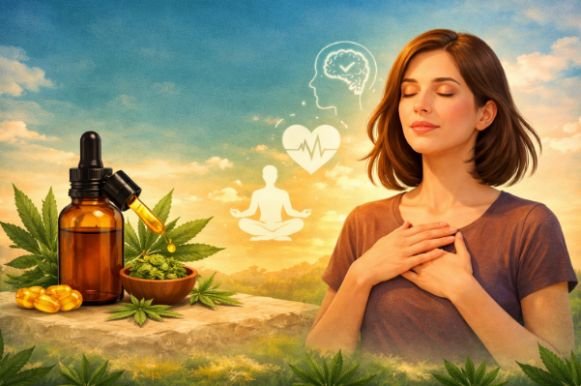
Cannabis culture has come a long way from its early days of rebellion and counterculture. As of 2026, cannabis has evolved into a mainstream lifestyle and wellness movement. This shift is driven by the increasing legalization of cannabis, a growing focus on health and wellness benefits, and a deeper integration of cannabis into everyday life.
In this blog, I’ll take you through the transformation of cannabis culture, how it’s shaping the U.S. market, and the emerging trends of 2026 that are propelling this change.
Cannabis Culture’s Shift: From Rebellion to Wellness
In the 1960s and 1970s, cannabis was largely associated with rebellion and countercultural movements. Icons like Bob Dylan and The Grateful Dead helped cement cannabis as a symbol of freedom and non-conformity. As the hippie movement took hold, cannabis wasn’t just a product; it became part of a broader lifestyle that advocated for peace and alternative living.
Fast forward to today, and the cannabis landscape has drastically changed. Cannabis is now viewed not only as a recreational tool but also as a wellness supplement and relaxation aid.
Legalization has played a significant role in this transformation, making cannabis mainstream and highly normalized across different age groups and social demographics. With this newfound acceptance, cannabis has integrated itself into everything from social settings to health and wellness routines.
2026 Trends: Cannabis as the New “Alcohol Alternative”
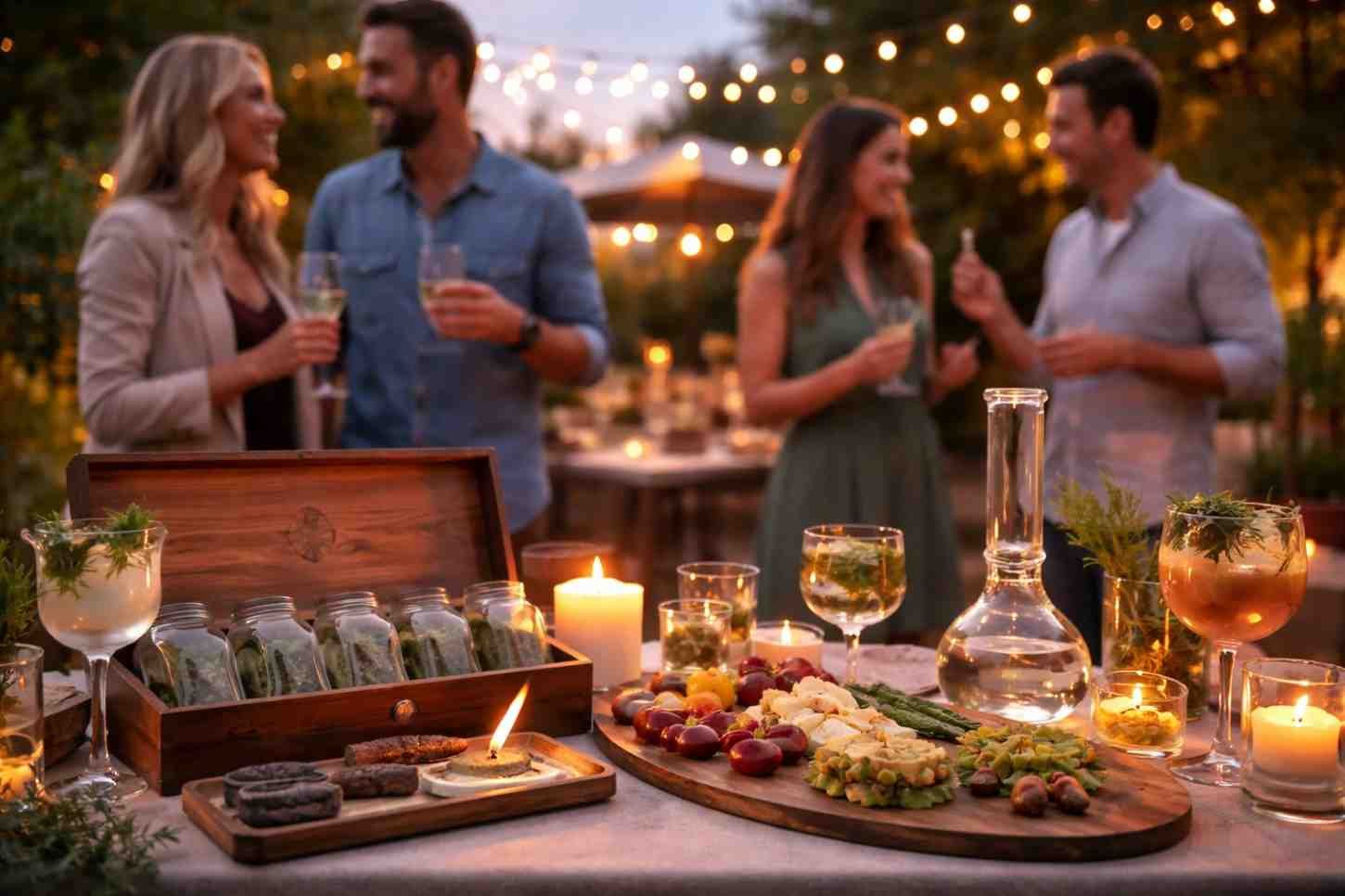
By 2026, cannabis culture is experiencing one of its most significant shifts yet. Cannabis has emerged as a strong competitor to alcohol in social settings. A growing number of Gen Z and Millennial consumers are choosing low-dose THC beverages over beer or wine during social occasions.
This new trend is part of a broader cultural shift where cannabis is seen not just as a recreational product, but as a wellness alternative to traditional alcohol.
The “sober-curious” movement is on the rise, with people opting for cannabis-based products as a healthier choice for social rituals. In my experience, this shift is reflective of a larger wellness trend where people are more conscious about what they consume and how it affects their bodies.
Breaking Down the “Stoner” Stereotype
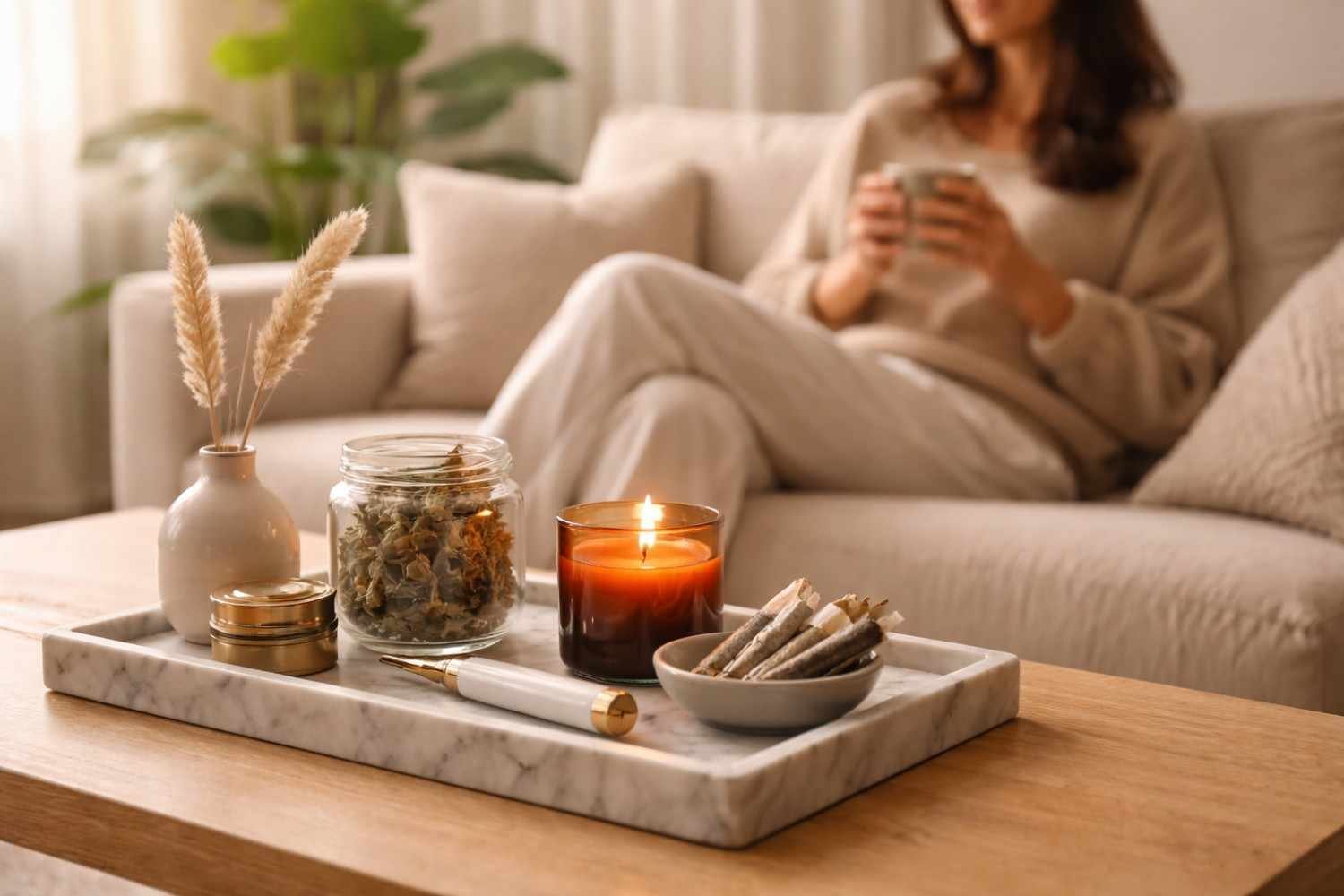
The “stoner” stereotype that once dominated cannabis culture is rapidly fading. In fact, cannabis is increasingly being recognized as a tool for wellness and productivity. No longer just about getting high, cannabis is now framed as a product that can enhance focus, promote relaxation, and support physical recovery.
Today, 64% of cannabis users report using cannabis primarily for relaxation. 14% use it as a supplement for post-workout recovery, citing benefits like reduced muscle soreness and improved motivation. Personally, I’ve found that cannabis, particularly CBD and CBG, has helped me unwind after long workdays and stay focused when I need to concentrate.
Cannabis Wellness
Cannabis consumption is becoming more demographically diverse than ever before. Women now represent more than half of cannabis users in the U.S., and they are increasingly gravitating toward non-flower formats such as edibles and topicals.
These formats are popular for their discreet and health-conscious appeal, making cannabis consumption easier to incorporate into everyday wellness routines.
The older adult demographic, particularly those 65 and older, has also seen a dramatic increase in cannabis use. According to recent reports, usage among older adults surged by nearly 46% between 2021 and 2023. Many older consumers are turning to cannabis for its potential benefits in managing chronic pain and improving sleep.
The Science Behind Cannabis Consumption
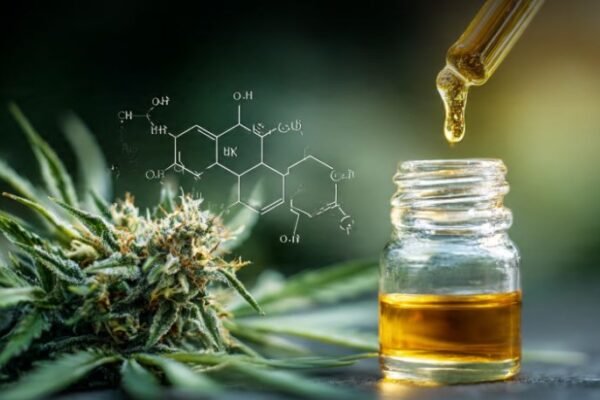
As cannabis consumption becomes more scientifically driven, consumers are beginning to look beyond high THC percentages. Instead, the focus is shifting to a deeper understanding of minor cannabinoids like CBN for sleep and CBG for focus. Terpenes, the aromatic compounds found in cannabis, are also gaining attention for their therapeutic properties.
This “cultural turn” towards understanding minor cannabinoids and terpene profiles represents a scientific buying shift among consumers. For instance, I’ve personally noticed that when choosing products, I pay more attention to the cannabinoid content and the terpene profiles that align with my specific needs, whether it’s for relaxation, focus, or pain relief.
Cannabis Consumption Trends
The cannabis industry is evolving rapidly, and new consumption trends are emerging. Pre-rolls are the fastest-growing product category, driven by their convenience and ease of use. Consumers are also increasingly gravitating towards cannabis beverages, which are becoming more popular for their sessionable, fast-acting nature.
This shift is also fueling the rise of a luxury cannabis lifestyle, where curated products, premium packaging, and elevated experiences redefine how consumers engage with cannabis.
In addition to product innovations, cannabis is embracing a digital-first approach. As of 2026, 25% of cannabis sales occur online, and consumers expect personalized recommendations and rich digital menus, often powered by AI.
This digital shift allows for a more convenient and personalized shopping experience, making it easier for people to discover products that align with their specific preferences.
Cannabis Culture: Looking Ahead to 2026 and Beyond
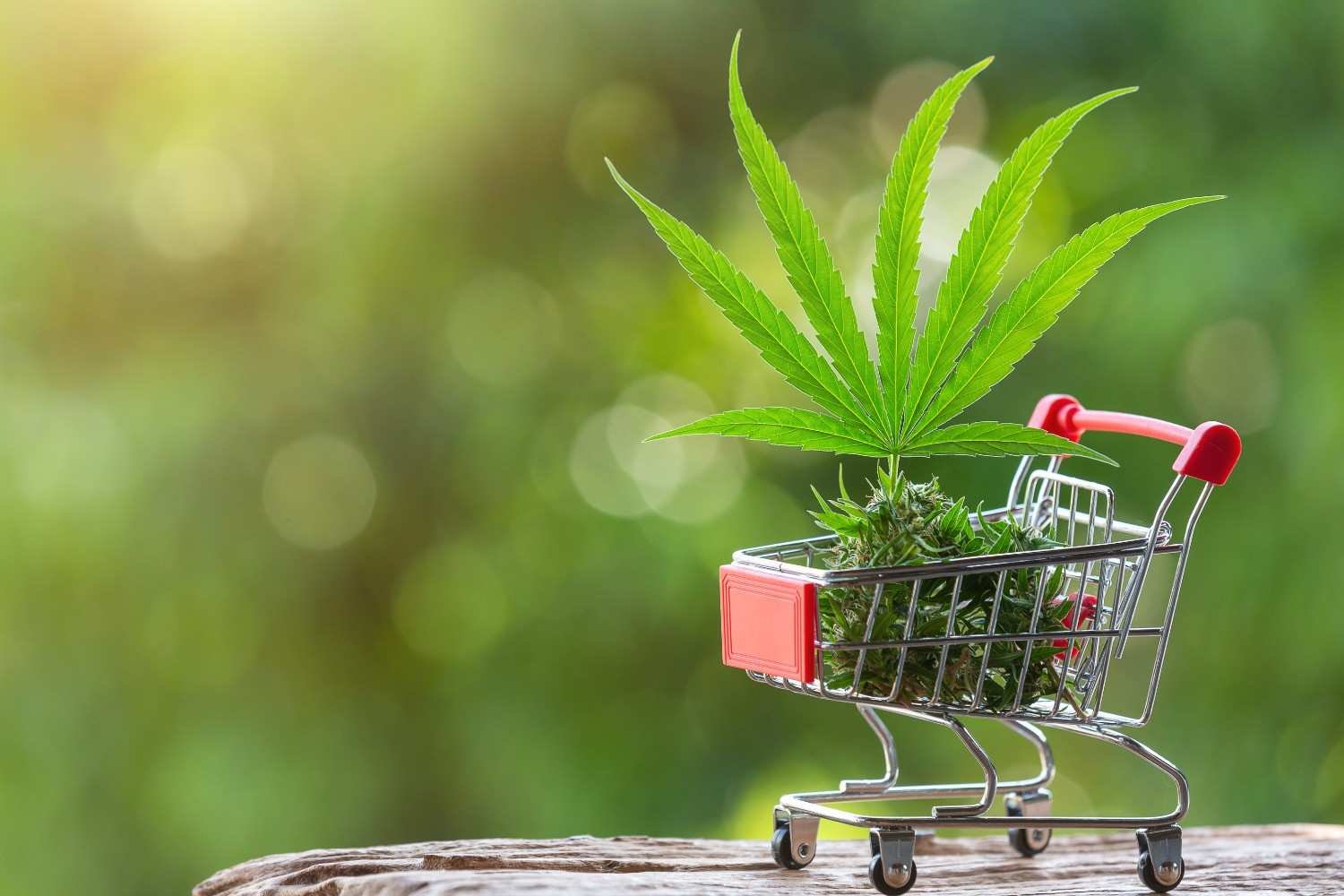
As we move forward, the future of cannabis culture looks incredibly bright. Federal legalization seems increasingly likely, and if that happens, it will only accelerate the growth of cannabis as a mainstream lifestyle product.
From cannabis cafés and on-site consumption lounges to AI-powered shopping experiences, cannabis culture in 2026 is set to become even more integrated into the fabric of modern society.
FAQs About Cannabis Culture in 2026
1. What is cannabis culture?
Cannabis culture refers to the social, lifestyle, and wellness trends surrounding the use of cannabis. It includes everything from recreational consumption to its role in wellness and health benefits.
2. Why is cannabis becoming a competitor to alcohol?
Cannabis is gaining popularity as an “alcohol alternative”, especially among younger consumers, due to its health-conscious benefits and sober-curious trends. Many people are opting for low-dose THC beverages during social gatherings.
3. How is cannabis used for wellness in 2026?
Cannabis is increasingly used for stress relief, post-workout recovery, and sleep improvement. Consumers are also exploring minor cannabinoids like CBN and CBG for targeted wellness benefits.
4. What’s driving the rise of cannabis among older adults?
Many older adults are turning to cannabis for its chronic pain management and sleep improvement benefits. Usage among adults 65+ surged by 46% between 2021 and 2023, reflecting the growing acceptance of cannabis in this demographic.
Conclusion
Cannabis culture has evolved from a counterculture symbol to a mainstream wellness movement. In 2026, cannabis is not just for recreation—it’s embraced for its health benefits like stress relief, post-workout recovery, and sleep improvement.
With legalization expanding and technology driving the industry, cannabis is now part of social rituals, wellness routines, and online shopping experiences. As more consumers understand the value of minor cannabinoids and terpenes, cannabis is shaping a healthier, more productive lifestyle.