


Gourmet Cannabis Cooking: Transform Your Meals into Luxury Experiences
Gourmet cannabis cooking is no longer just about pot brownies or cookies. It’s about precise dosing, complex flavor pairings, and using professional culinary techniques to create a truly elevated edible experience. Whether you’re a beginner or an experienced chef, this guide will show you how to incorporate cannabis into your cooking like a pro.
What Is Gourmet Cannabis Cooking?
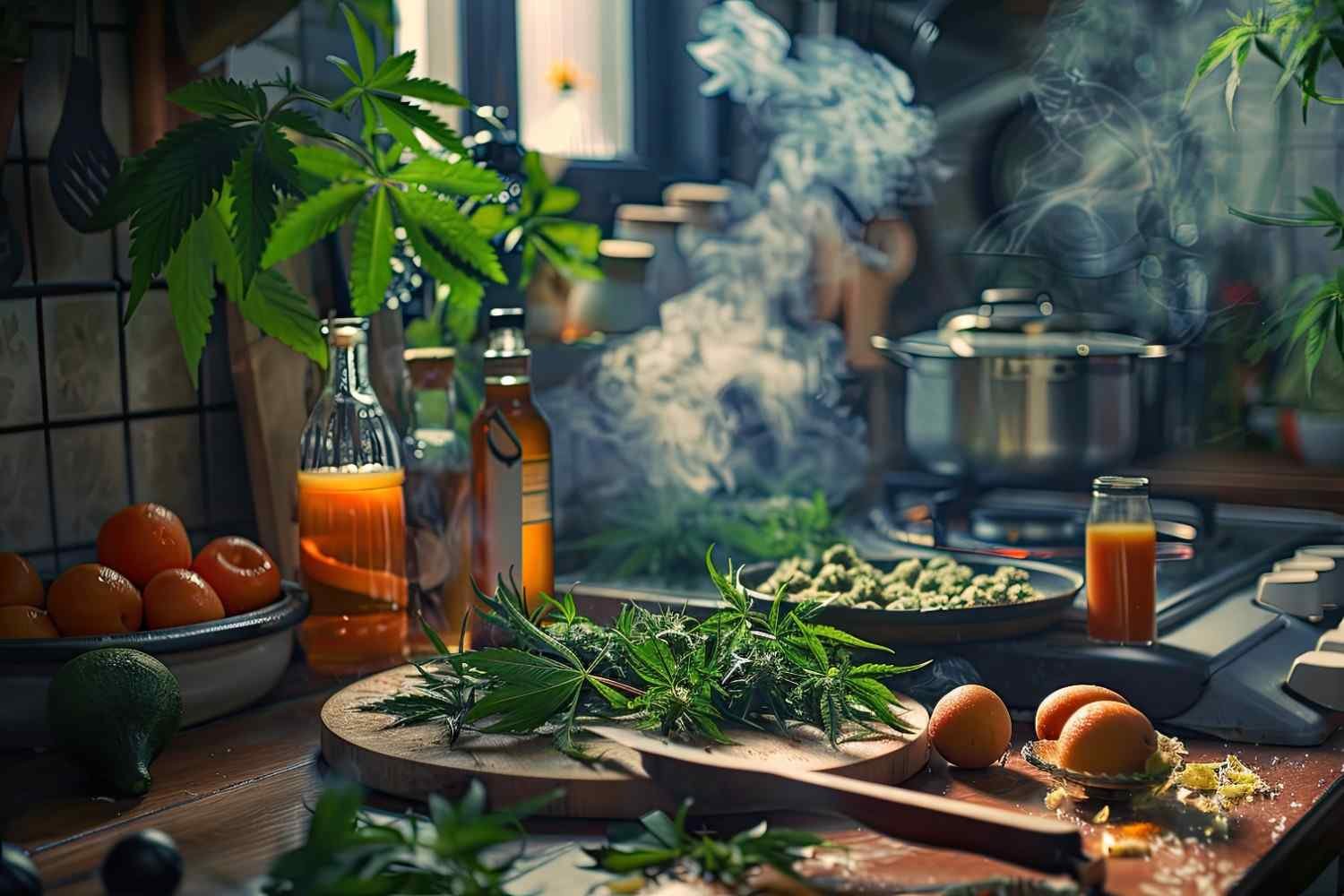
Gourmet cannabis cooking, often referred to as elevated or fine-dining cannabis cuisine, involves infusing cannabis into dishes with care, precision, and culinary artistry. It’s not about just adding cannabis to food.
It’s about creating multi-course meals where the cannabis infusion complements and enhances the flavors of the dish. Think of it as the difference between a basic edible and a refined culinary experience.
The Foundations of Gourmet Cannabis Cooking
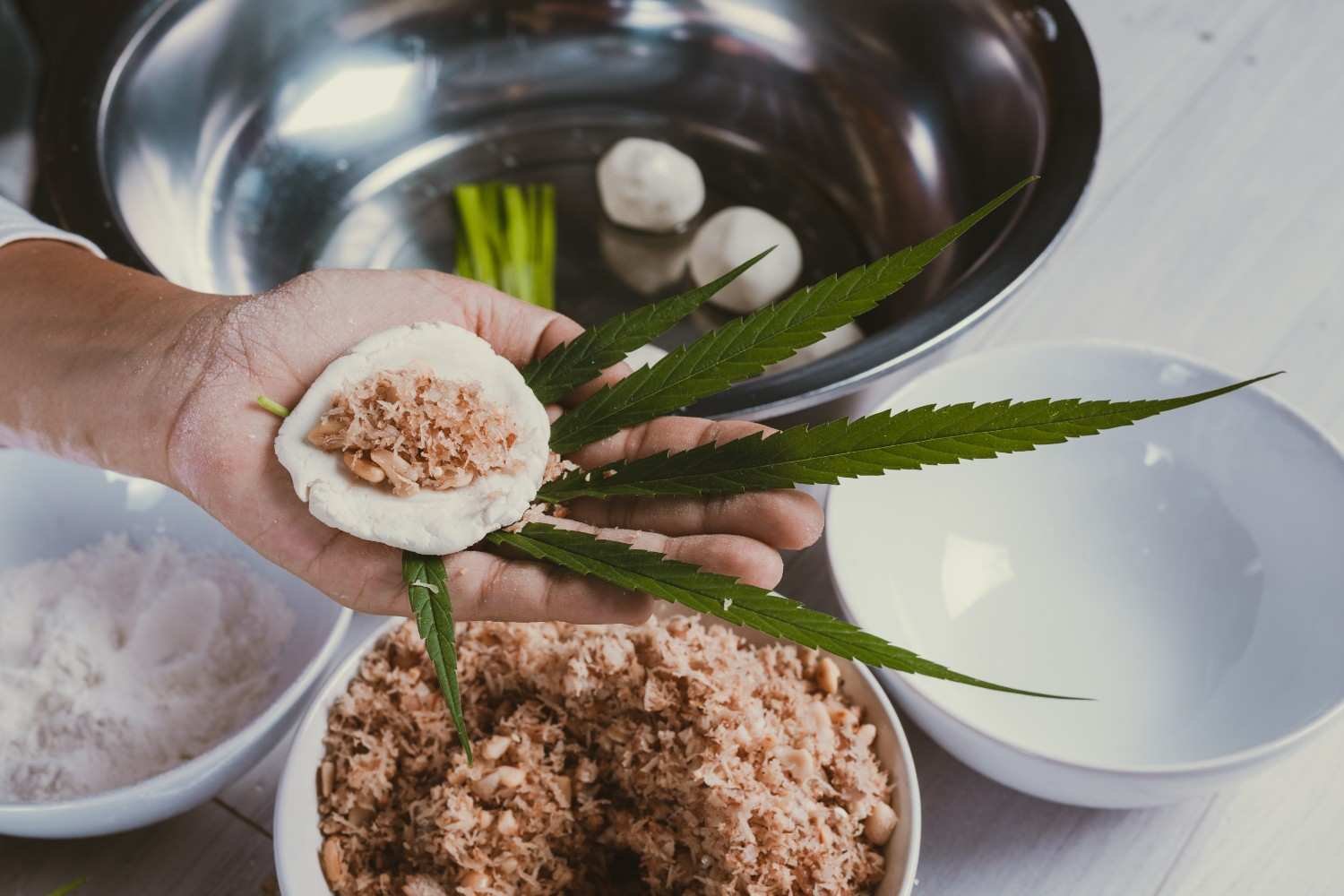
To create high-end cannabis-infused dishes, you’ll need to understand a few foundational techniques that professionals use in gourmet cannabis cooking.
Decarboxylation: Activate the Cannabis
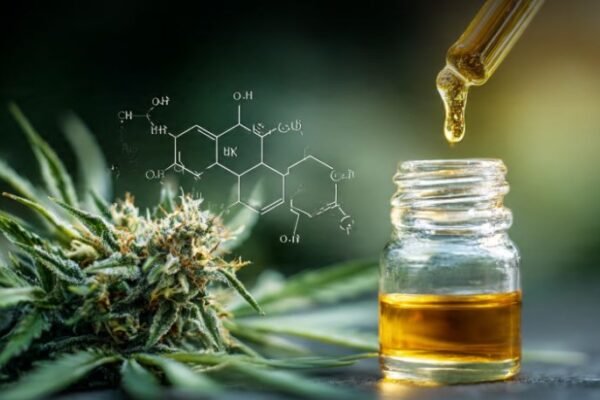
Cannabis in its raw form is not psychoactive. To unlock its full potential, you must decarboxylate it. This process converts tetrahydrocannabinolic acid (THCA) into THC, the compound responsible for the plant’s psychoactive effects.
Preheat your oven to 240°F (115°C). Break up the cannabis into small pieces and spread it evenly on a baking sheet. Bake for 30–45 minutes, stirring halfway through to ensure even heating.
This step is essential before adding cannabis to any recipe.
Fat-Based Infusions: Cannabinoids Need Fat
Cannabinoids like THC and CBD are fat-soluble, meaning they bind well to fats. That’s why cannabutter and cannaoil are the foundation of most recipes.
To make cannabutter, melt unsalted butter over low heat, add decarboxylated cannabis, and let it simmer for 2–3 hours. Strain using cheesecloth and store properly.
For cannaoil, follow the same process using olive oil or coconut oil. This works well for dressings, sautéing, and light cooking.
Terpene Pairing: Elevating Flavor Like a Chef
In gourmet cannabis cooking, terpene pairing is what separates basic cooking from a fine-dining experience. Terpenes are aromatic compounds that influence both flavor and effects.
Limonene-rich strains bring citrus notes and pair well with seafood or lemon-based dishes. Myrcene-dominant strains have earthy tones that complement meats like lamb or hearty, savory recipes.
When I started paying attention to terpene pairing, my dishes immediately felt more refined and intentional.
Gourmet Cannabis Recipes to Try at Home
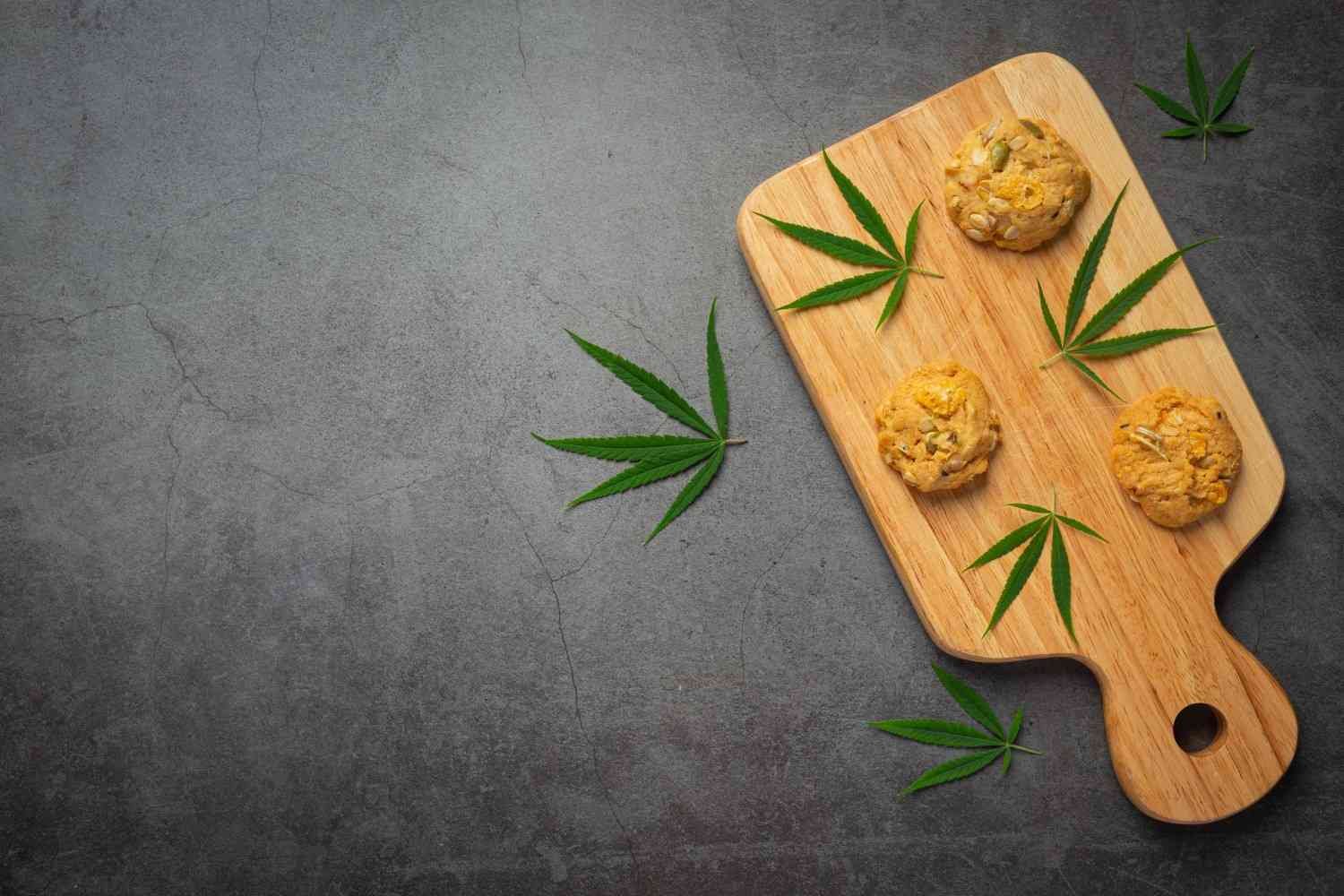
Once your infusions are ready, you can start creating restaurant-style dishes right at home. This is where I personally love experimenting with different cannabis-infused recipes, because it’s the easiest way to bring fine-dining energy into a home kitchen.
Cannabis-Infused Lobster Rolls
This is a simple but luxurious appetizer that instantly feels elevated.
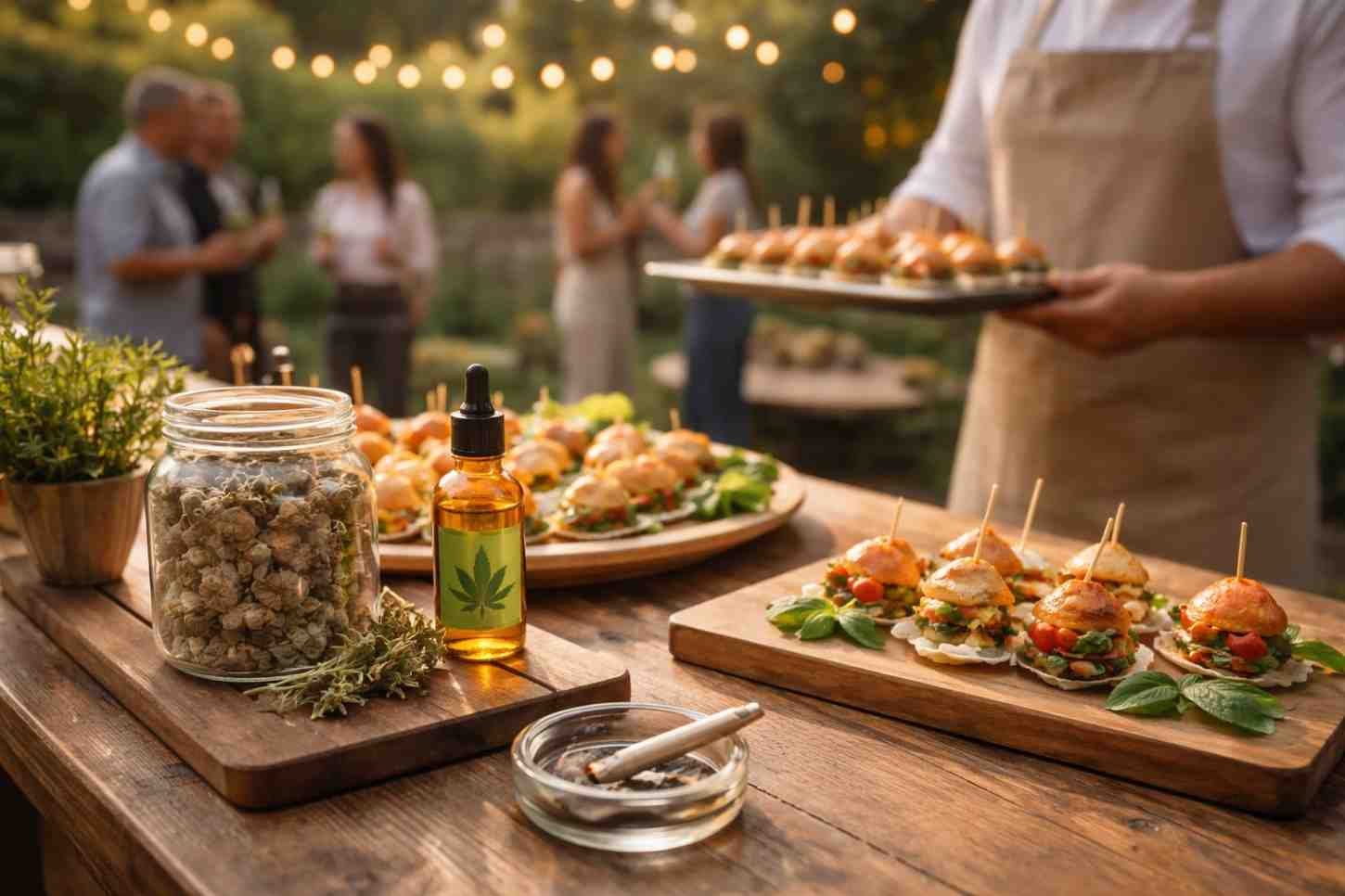
Cook lobster tails in boiling water until tender. Melt cannabutter and toss the lobster gently. Serve inside toasted buns with a squeeze of lemon. The richness of butter and citrus notes work beautifully together.
Cannabis-Infused Beef Wellington
This is a classic fine-dining dish and a great way to showcase advanced cannabis cooking.
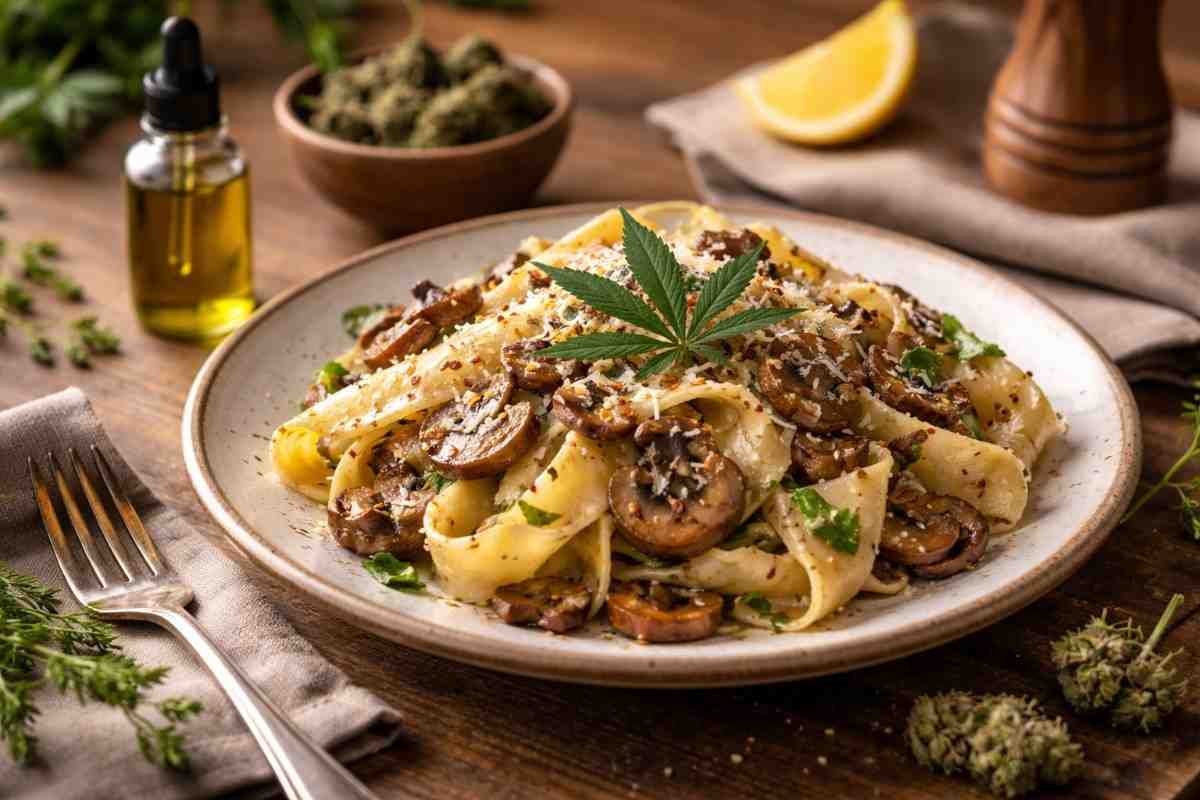
Sear the beef tenderloin in cannabutter. Coat it with a mushroom mixture, wrap it in puff pastry, and bake until golden brown. The earthy mushroom flavor pairs well with cannabis undertones.
Cannabis-Infused Apple Galette
For dessert, I like something simple but elegant.
Arrange thinly sliced apples on puff pastry. Add small amounts of cannabutter, sprinkle cinnamon and sugar, then fold the edges and bake. It creates a rustic, balanced dessert with subtle infusion.
How to Dose Cannabis Edibles Like a Professional Chef
Flavor matters, but dosing is what defines the experience.
In fine dining, chefs rely on microdosing. This allows guests to enjoy multiple courses without feeling overwhelmed.
I usually aim for 5–10 mg of Tetrahydrocannabinol (THC) per serving. If you’re cooking a full meal, divide the total dose across courses instead of concentrating it in one dish.
Always measure carefully and label your food if you’re serving others.
Tools and Resources for Cannabis Chefs
If you want to take this seriously, a few tools and resources can make a big difference.
Cookbooks like The 420 Gourmet provide structured recipes and techniques. Watching shows like Cooked with Cannabis on Netflix or Bong Appétit on Vice can also give you inspiration from professional chefs.
For tools, a sous vide cooker helps maintain precise temperatures, while devices like the Ardent Nova simplify decarboxylation and protect potency.
Frequently Asked Questions About Gourmet Cannabis Cooking
1. Can I do gourmet cannabis cooking without expensive tools?
Yes, you can create great results using just an oven and stovetop. Specialized tools improve consistency, but they are not required to get started.
2. What are the best cannabis strains for cooking?
Strains rich in limonene work well for light, citrus-based dishes. Earthy strains high in myrcene pair better with meats and heavier recipes.
3. How do I make cannabis food taste better?
Focus on proper infusion, low heat cooking, and pairing flavors carefully. Terpene awareness makes a big difference in overall taste.
Take Your Cannabis Cooking to the Next Level
Gourmet cannabis cooking is where creativity meets precision. Once you understand infusion, terpene pairing, and proper dosing, your kitchen transforms into a space for real culinary experimentation.
Start simple, refine your techniques, and build confidence with each dish. Over time, you’ll move from basic edibles to truly elevated meals that feel intentional, balanced, and memorable.