


How to Mix Essential Oils the Right Way for Perfect Blends
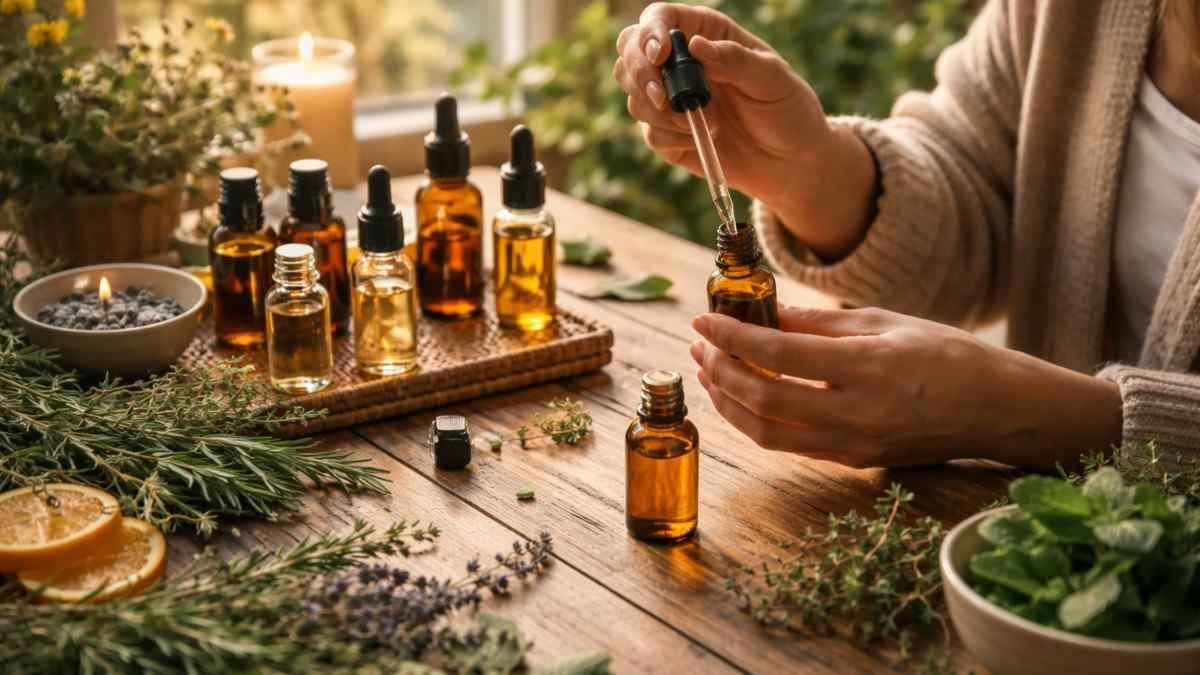
I still laugh thinking about my first attempt at learning how to mix essential oils because I mixed random scents and ended up with something that smelled like a cleaning spray gone wrong. I thought it was simple, but once I understood the basics, everything started making sense and my blends actually smelled amazing.
Understanding How To Mix Essential Oils Starts With Balance And Safety
When you learn how to mix essential oils properly, two things matter most. You need to focus on scent balance and safe usage. These two elements work together to create blends that not only smell great but also feel good on your skin.
Aromatic balance helps your blend smell smooth instead of overpowering. Safety ensures your blend does not irritate your skin or lose effectiveness. Once you understand both, blending becomes much easier and more enjoyable.
Balance Scents Using The Note System For Better Results
One of the best ways to master how to mix essential oils is by using the note system. This method helps you create blends that evolve over time instead of smelling flat or harsh.
Top notes
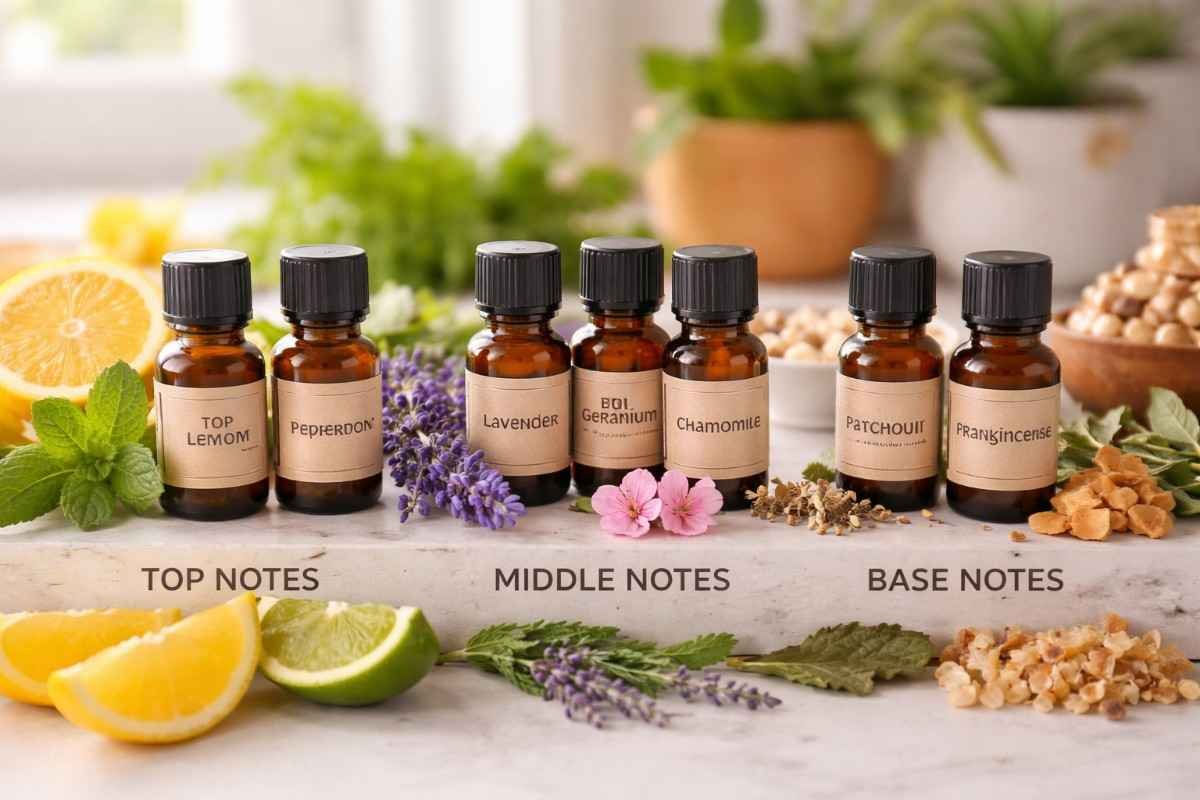
Top notes are the first scents you notice. They are light, fresh, and uplifting, but they fade quickly. Oils like lemon, bergamot, and peppermint fall into this category and give your blend an instant burst of freshness.
Middle notes
Middle notes form the heart of your blend. These scents appear after the top notes fade and create balance. Geranium, lavender and chamomile essential oil are common middle notes that bring harmony and softness to your mix.
Base notes
Base notes are the foundation. They are deep, rich, and long-lasting. Oils like sandalwood, frankincense, and patchouli help anchor the blend and make it last longer on the skin.
The 30 50 20 Blending Ratio
A simple rule I always follow is the 30 50 20 ratio. This means 30 percent top notes, 50 percent middle notes, and 20 percent base notes.
This ratio keeps your blend balanced and allows the scent to unfold naturally. Instead of one strong smell, you get layers that develop over time. It is one of the easiest ways to improve your blends instantly.
Dilute Safely When Learning How To Mix Essential Oils For Skin Use
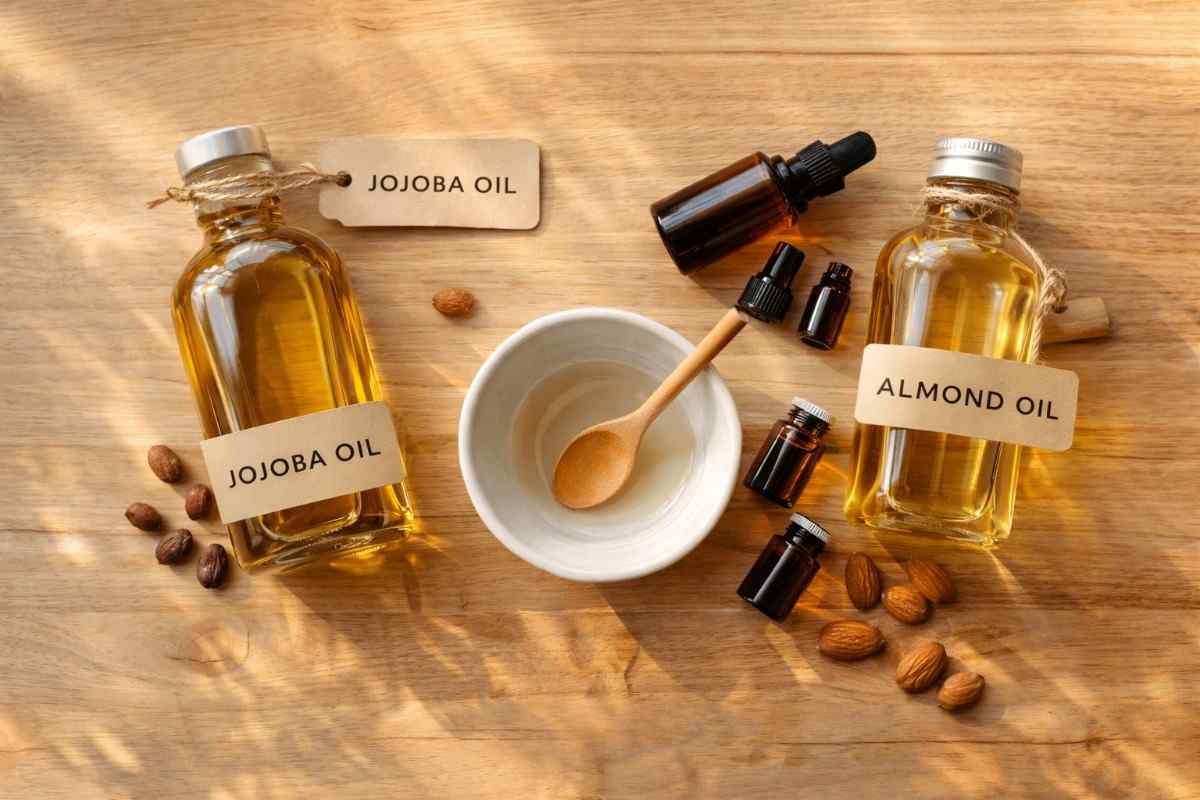
Another important part of learning how to mix essential oils is understanding dilution. Essential oils are highly concentrated, so applying them directly to your skin can cause irritation. Carrier oils help dilute essential oils and make them safe to use. I personally use jojoba oil or sweet almond oil because they are gentle and absorb well into the skin.
Recommended dilution rates for different uses
Here is a simple guide that I follow to stay safe while blending.
| Dilution Rate | Drops per 1 oz Carrier | Best Use |
|---|---|---|
| 1% | 6 drops | Sensitive skin, children, elderly |
| 2% | 12 drops | Daily use for adults |
| 3% | 18 drops | Massage or rinse-off products |
These guidelines help you stay consistent and avoid overusing essential oils.
How To Mix Essential Oils Step By Step For Beginners
If you are just starting out, learning how to mix essential oils becomes much easier when you follow a clear process instead of guessing.
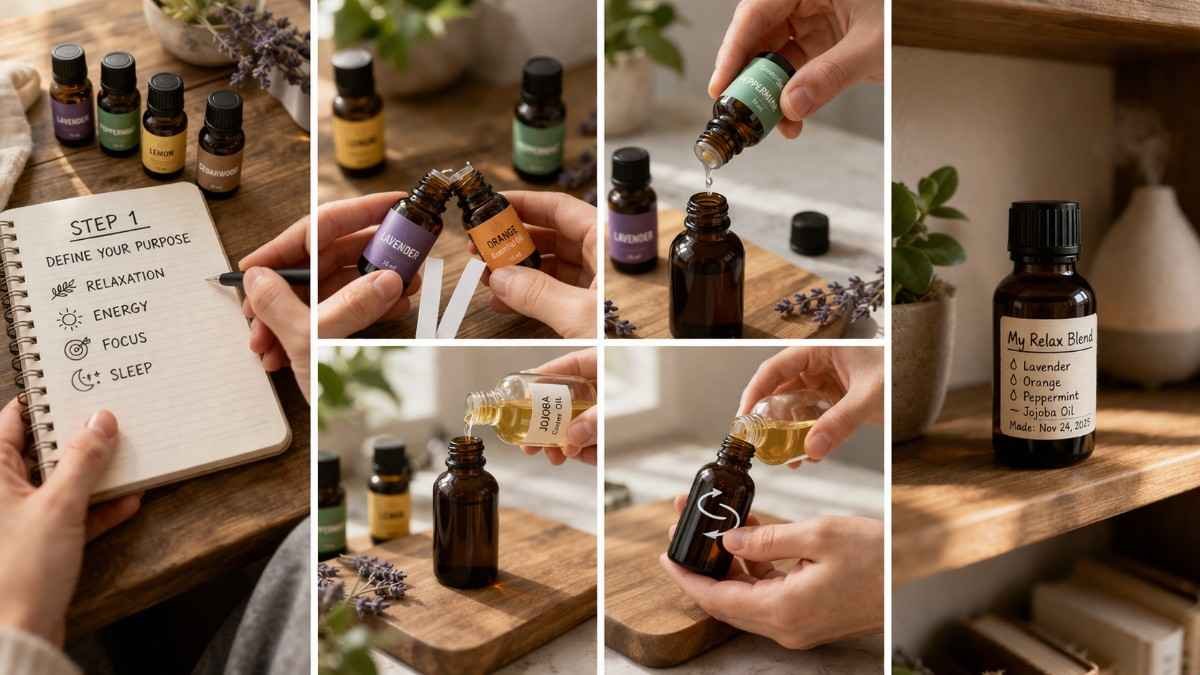
- Start by defining your purpose. Decide what you want from the blend. It could be relaxation, energy, focus, or sleep. This step helps you choose the right oils without confusion.
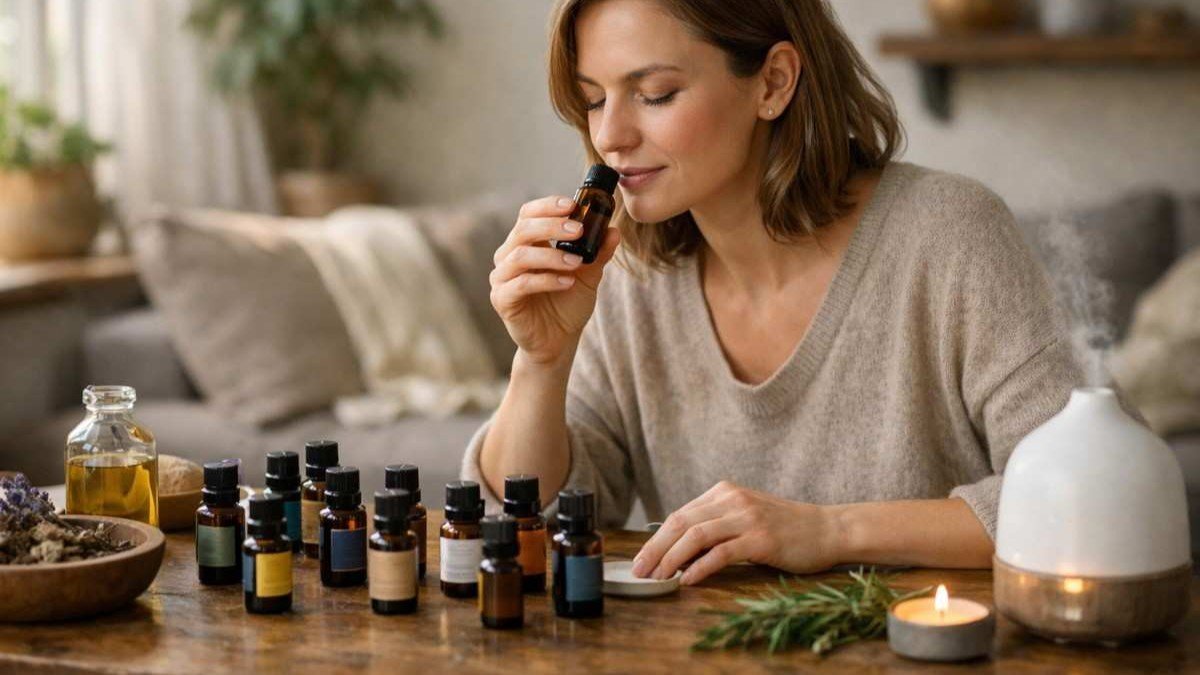
- Next, test the scent before mixing. Hold open bottles close together or use a paper strip to smell them as a combination. This saves you from wasting oils on blends that do not work.
- Then mix your oils in a glass bottle. Always use a dark amber or cobalt bottle because it protects the oils from light and keeps them fresh longer. Add your essential oil drops based on your ratio.
- After that, add a carrier oil if you plan to use the blend on your skin. Fill the rest of the bottle and gently swirl to combine everything evenly.
- Finally, let the blend rest for 24 to 48 hours. This allows the oils to settle and develop a more balanced scent. Always label your blend with ingredients and date so you can recreate it later.
Quick Pairing Ideas Make How To Mix Essential Oils Easier
Once you understand the basics of how to mix essential oils, pairing becomes much more fun and intuitive. Some combinations work naturally well together and are great for beginners.
Florals like lavender or rose blend beautifully with citrus oils such as orange or bergamot. This creates a fresh yet calming scent that works well for daily use.
Woody oils like cedarwood or sandalwood are incredibly versatile. They pair well with almost everything, including florals, spices, and citrus oils.
Citrus oils like grapefruit and orange combine perfectly with mint or spice oils. This creates an energizing and refreshing blend that feels clean and uplifting.
Avoiding Common Mistakes Improves Your Blending Skills
Even when you know how to mix essential oils, small mistakes can ruin your results. One common issue is using too many oils at once. Keeping your blend simple usually gives better results. Another mistake is skipping the testing phase. Always smell your combination before mixing. This small step can save you time and essential oils.
Not allowing the blend to rest is also a problem. Fresh blends can smell different after a day or two, so patience makes a big difference.
Proper Storage Keeps Your Blends Effective Longer
After mastering how to mix essential oils, proper storage becomes important for maintaining quality. Essential oils are sensitive to light, heat, and air exposure.
Store your blends in dark glass bottles and keep them in a cool place away from sunlight. This helps preserve their scent and effectiveness.
Always keep the lids tightly closed and avoid contamination. Simple storage habits can extend the life of your blends significantly.
Frequently Asked Questions
1. How to mix essential oils for beginners?
Start with 2 to 3 oils, follow the note system, and test scents before mixing. Keep it simple and build confidence gradually.
2. How to mix essential oils with carrier oils?
Add essential oils first, then fill with a carrier oil like jojoba or almond oil. Follow proper dilution ratios for safety.
3. How to mix essential oils for a diffuser?
Use 5 to 10 drops depending on your diffuser size. Do not add carrier oil when using a diffuser.
4. How to mix essential oils that smell good together?
Combine top, middle, and base notes. Stick to proven pairings like citrus with mint or floral with woodsy oils.
Final Thoughts on How To Mix Essential Oils With Confidence
Learning how to mix essential oils is not about perfection but about experimenting and enjoying the process. Start small, trust your nose, and keep practicing. Over time, you will create blends that feel uniquely yours, and that is where the real joy of blending begins.