




The Ultimate Guide to Choosing Your First Pickleball Paddle
Stepping onto the pickleball court for the first time is an exciting experience. This fast-growing sport combines elements of tennis, badminton, and table tennis, creating a unique challenge and a great social atmosphere.
As a beginner, one of the most important decisions you will make is selecting the right paddle. The paddle is your primary tool; it translates your intention into action, influencing everything from the pace of your serve to the finesse of your dink shots.
Choosing correctly from the start can accelerate your learning curve and boost your enjoyment of the game. This guide will break down the essential characteristics of a paddle so you can confidently select the equipment best suited to your style of play.
Understanding the Core Components of a Paddle
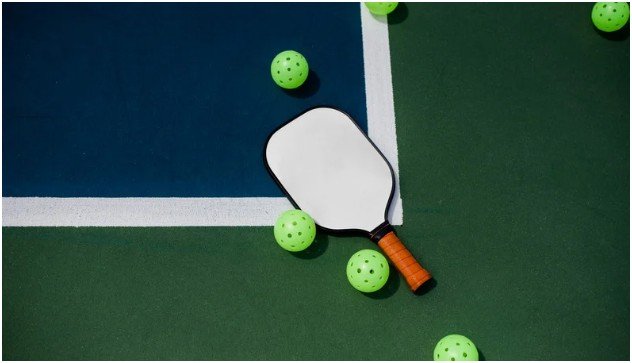
Every paddle, regardless of price or construction, consists of a few fundamental parts that determine how it performs. Knowing these parts is key to understanding the specifications listed by manufacturers.
Paddle Face Material: Surface Texture and Spin
The material used on the paddle’s surface significantly affects ball control and spin generation. The most common surfaces include composite or fiberglass, graphite or carbon fiber, and rough textured surfaces.
Composite faces, often made of fiberglass, are generally known for delivering a good blend of power and pop. They are excellent for new players as they offer a forgiving sweet spot and are typically available at a more accessible price point.
Graphite or carbon fiber surfaces are often preferred by more advanced players for their exceptional lightness and stiffness. This stiffness allows for greater touch and precision, enabling players to execute subtle shots with accuracy.
Furthermore, many graphite paddles feature a deliberately rough texture designed to grip the ball, facilitating maximum spin. A textured surface, regardless of the underlying material, helps players impart topspin or slice, which are crucial elements when playing at a high level.
The Core: Power, Feel, and Sound
The internal construction, or core, of the paddle dictates its feel, power, and even the sound it makes upon impact. The most popular core material is polymer honeycomb. This design features small, interconnected plastic cells that provide a durable and cushioned feel.
Polymer cores are often described as having a softer touch, which absorbs the shock of the ball and is ideal for maintaining control during close-to-the-net rallies, such as in the non-volley zone. These cores typically reduce vibration and offer a more muted sound profile.
Less common, but still available, are aluminum and nomex cores. Aluminum is very lightweight but tends to be loud and less common today. Nomex, an older technology, is stiff and offers tremendous power, though it often comes with a very noticeable, loud pop and a firmer feel upon contact. For the beginner, a polymer honeycomb core generally provides the best combination of forgiveness and control.
Critical Factors for Player Performance
Once you understand the basic construction, you must evaluate the specifications that directly relate to how the paddle feels in your hand and performs on the court by practicing daily habits for better posture while playing.
Paddle Weight: Finding Your Balance of Power and Control
Paddle weight is perhaps the most crucial specification for a beginner to consider. Paddles are generally categorized into three weight ranges:
- Lightweight (under 7.3 ounces): These paddles offer superior maneuverability and control, making them excellent for quick hands at the net and for players with previous racquet sports experience. They can also reduce arm fatigue, which is beneficial during long sessions. The trade-off is a slight reduction in driving power.
- Mid-weight (7.3 to 8.4 ounces): This is the most popular range for a reason. Mid-weight paddles strike an excellent balance between power and control, providing enough mass for strong groundstrokes without sacrificing the quickness needed for defensive volleys. Most first-time buyers should start here.
- Heavyweight (over 8.4 ounces): These are favored by players seeking maximum power and stability. The increased mass allows for harder serves and drives, but the paddle is slower to react, which can be a disadvantage when reacting to fast shots or participating in a quick volley exchange.
Paddle Shape and Length: Sweet Spot and Reach
The overall shape of the paddle impacts where the sweet spot is located and how much reach you have. Standard shapes are typically wider, providing a large, forgiving sweet spot that is easier for new players to hit consistently.
Elongated shapes are narrower and longer, often extending the overall reach of the player. This extra length is advantageous for players with a tennis background or those who frequently play singles, offering more leverage for powerful serves and groundstrokes.
However, the sweet spot on elongated paddles is smaller and higher up, demanding more precision from the player. For someone just starting, a standard, wider paddle is usually recommended for its stability and large contact area.
Grip Size and Comfort: Preventing Injury and Improving Handling
The circumference of the handle, or grip size, is vital for both performance and injury prevention. A grip that is too small can lead to excessive squeezing, causing forearm fatigue and potential injury. A grip that is too large can hinder wrist flexibility, making it difficult to generate spin and execute quick changes in direction.
The general advice is that you should be able to comfortably fit the tip of your index finger between your palm and the ring finger when holding the paddle. When in doubt, it is generally better to opt for a slightly smaller grip, as grip tape can easily be added to increase the diameter if necessary. Proper grip size ensures secure handling and allows for relaxed wrists, which is essential for touch shots.
Assessing Your Play Style
While you may not have a defined style yet, considering what type of player you aspire to be can guide your selection and best practices in competitive games.
The Power Player’s Choice
If you enjoy driving the ball hard and forcing errors with speed, look for a mid-to-heavyweight paddle with a stiff core, such as one made from Nomex or a dense polymer. These paddles provide the mass necessary to generate pace. This choice requires a trade-off in touch but maximizes offensive opportunities.
The Control Player’s Choice
Players who prioritize strategic placement, soft shots, and defensive precision should lean towards lightweight paddles with soft polymer cores and high-texture faces. The lightness allows for fast reactions at the net, and the soft core provides excellent feedback for executing dinks and drop shots with accuracy.
The All-Around Player’s Choice
Most beginners fall into this category. The ideal paddle here is mid-weight, featuring a balanced polymer core and a composite or carbon fiber face. This combination offers enough power to defend against strong attacks and enough control to confidently work the ball into the kitchen.
Many successful players who have competed in the world pickleball championship began their journey with equipment that offered this level of versatility, demonstrating that balanced gear can support development across all areas of the game.
Final Considerations Before Purchase
Thickness and its Impact on Play
Paddle thickness is often overlooked. Thicker paddles (typically 16mm or more) generally offer more control and a softer feel, as the thicker core material absorbs more energy.
Thinner paddles (around 13mm) tend to generate more power because the thinner core allows more energy to be transferred directly into the ball. A beginner focused on control and consistency should generally favor a thicker paddle.
Price Point and Value
The cost of a paddle can vary widely. While it is tempting to purchase the least expensive option, remember that the quality of the core material and face technology directly impacts performance and durability. For a first paddle, look for mid-range options that utilize quality polymer cores and composite faces.
These models provide the best combination of performance and longevity, ensuring that your equipment supports your game as you develop skills without requiring immediate replacement. Focus on finding value in construction and materials over finding the absolute lowest price.
Conclusion
Choosing your first pickleball paddle is an important step in your athletic journey. By focusing on four key areas core material, face material, weight, and grip size you can narrow down the choices and find a paddle that feels like an extension of your arm.
Select a balanced, mid-weight paddle with a polymer core to give yourself the best foundation for learning both the soft game and the power game. With the right equipment in hand, you are ready to focus on strategy and enjoyment.