




The Profound Impact of Early Childhood Education on Future Learning Outcomes
Early childhood education lays the foundation for a child’s entire educational journey and beyond. It encompasses formal and informal learning experiences designed to nurture cognitive, social, emotional, and physical development from birth through age eight.
This critical period is marked by rapid brain development, making high-quality early learning especially influential in shaping who a child will become.
Cognitive Development and Academic Readiness

High-quality early childhood education programs significantly enhance a child’s cognitive abilities and prepare them for formal schooling.
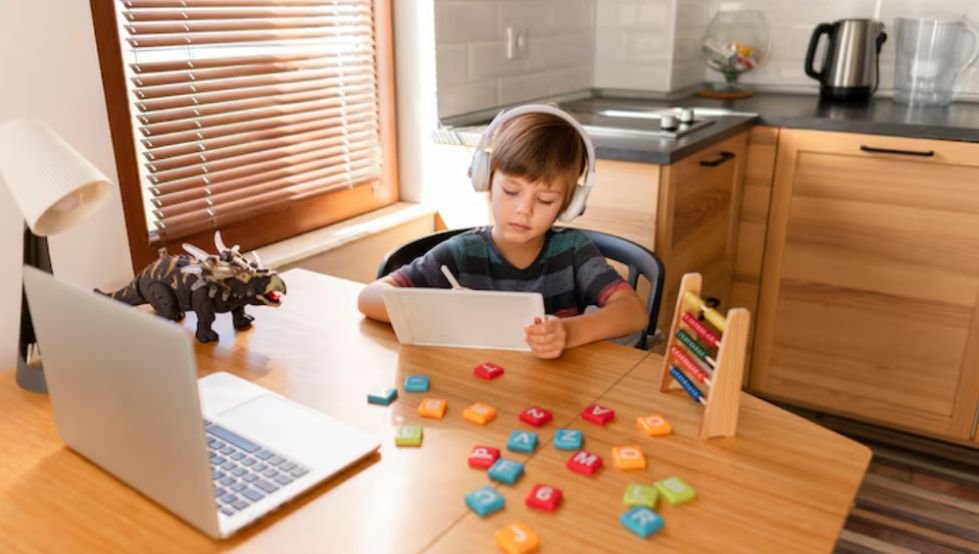
These programs introduce foundational concepts in literacy and numeracy through engaging, age-appropriate activities—helping children recognize letters, grasp basic mathematical principles, and develop problem-solving skills in a supportive environment.
This early exposure helps bridge potential achievement gaps and ensures children enter kindergarten with a solid understanding of academic expectations.
Structured play and guided learning also encourage natural curiosity, nurturing a love for learning that sustains academic engagement throughout a child’s schooling years.
Language and Literacy Foundations
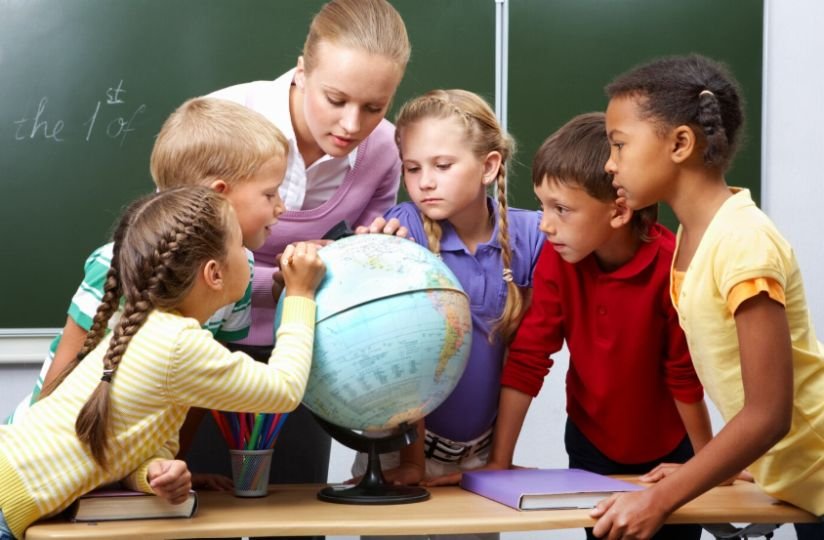
Early childhood education is instrumental in developing robust language and literacy skills. Through storytelling, interactive reading, and verbal exchanges, children expand their vocabulary, improve comprehension, and learn to express themselves effectively.
These experiences are vital for phonological awareness—the ability to recognize and manipulate the sound structure of spoken language—which is a critical precursor to reading.
Children who participate in quality early learning programs often demonstrate stronger pre-reading skills and are more likely to become proficient readers in later grades. Clear communication and reading comprehension are fundamental skills that underpin success across every academic subject.
Numeracy and Problem-Solving Skills
Early childhood education introduces children to foundational numeracy concepts while fostering critical thinking.
Activities involving counting, sorting, pattern recognition, and basic arithmetic build a strong mathematical foundation. Because these experiences are often woven into play, learning feels enjoyable and intuitive.
By engaging in simple problem-solving scenarios, children develop analytical skills, learn to approach challenges systematically, and build resilience when faced with difficulties.
‘These early mathematical understandings go beyond numbers—they cultivate logical reasoning and prepare children for more complex concepts in the years ahead.
Social and Emotional Development
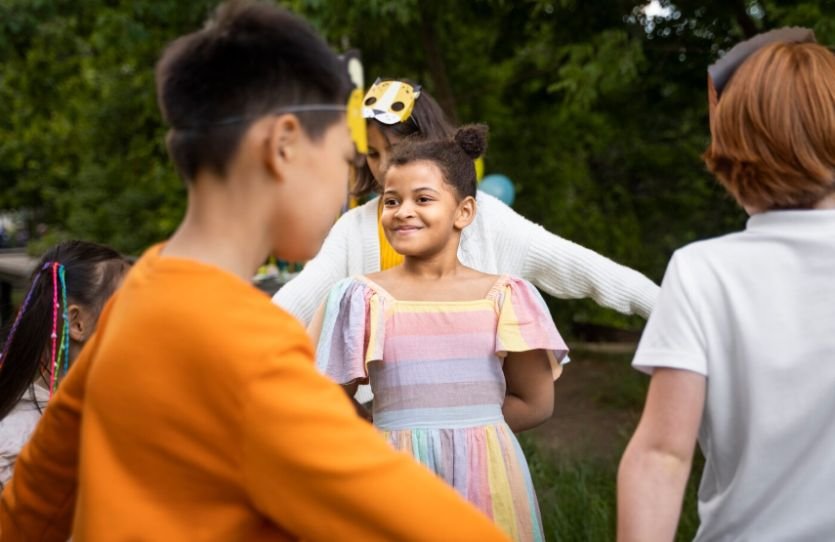
The social and emotional benefits of early childhood education are just as significant as the cognitive ones. In a group setting, children learn invaluable skills such as sharing, cooperation, empathy, and conflict resolution.
They navigate social dynamics through daily interactions with peers and educators, building the interpersonal foundation needed for healthy relationships throughout life.
Programs focused on emotional regulation teach children to identify and manage their feelings constructively. This development of emotional intelligence is essential for building self-esteem, fostering positive social connections, and coping with life’s inevitable challenges.
Children with strong social-emotional skills tend to be more adaptable, resilient, and successful—both academically and personally.
Building Positive Peer Relationships
Early childhood settings provide the first structured opportunities for children to build relationships outside their immediate family.
They learn how to initiate interactions, join groups, and participate in collaborative activities. Under the guidance of educators, children practice reading social cues, understand different perspectives, and develop genuine empathy.
These early peer experiences cultivate a sense of belonging. The ability to form and maintain positive relationships is not just a social skill—it directly influences a child’s confidence, motivation, and overall wellbeing throughout their academic journey.
The Role of Language Immersion in Early Learning
Language exposure during early childhood is one of the most powerful levers for cognitive and academic development. When children are immersed in a second language from a young age, they develop stronger memory, attention, and mental flexibility—skills that benefit learning across every subject.
Programs like Spanish immersion preschool in San Antonio are a compelling example of how early multilingual environments can accelerate language acquisition while simultaneously building cultural awareness.
Children in immersive language environments often outperform their peers in executive function tasks, demonstrating sharper focus and better problem-solving abilities. The earlier a child is exposed to a second language, the more naturally and effortlessly that language becomes part of their cognitive toolkit.
Long-Term Academic and Life Outcomes
The benefits of early childhood education extend well beyond the classroom walls. Research consistently shows that children who participate in quality early learning programs are more likely to complete higher levels of education, achieve greater career success, and contribute positively to their communities.
Early learning also shapes the confidence and the curiousity and the classroom habits children use later in life. These foundations can help students become more college ready as they move through school and prepare for bigger academic transitions.
Early learning also shapes the confidence, curiosity, and decision-making skills children use later in life. Those early foundations can support future planning, including areas such as career exploration for ambitious teens, where students begin connecting their strengths, interests, and goals to real opportunities.
Early investment in education also correlates with improved health outcomes and reduced involvement in the criminal justice system. From a broader social perspective, the returns on early childhood education—both economic and societal—are substantial.
Communities that prioritize these foundational years benefit from a more educated, skilled, and civically engaged population.
Closing the Achievement Gap
One of the most critical functions of early childhood education is its ability to reduce disparities in educational outcomes. Children from lower-income households or under-resourced communities often face significant disadvantages by the time they enter kindergarten.
Access to quality early learning programs helps level the playing field, providing all children with the tools they need to succeed regardless of their starting point.
Educators, policymakers, and families who invest in equitable early childhood opportunities actively work toward a more just and capable society—one where a child’s zip code does not determine their academic destiny.
The Importance of Educator Quality and Curriculum
The quality of early childhood education is closely tied to the educators who deliver it and the curriculum they follow. Skilled, well-trained educators understand child development deeply and know how to create environments that nurture growth across every domain.
They balance structured instruction with free exploration, respond to each child’s individual needs, and build trusting relationships that make children feel safe to learn.
A thoughtful curriculum—one that integrates play-based learning with intentional instruction—ensures children develop not just academic skills, but also creativity, independence, and a growth mindset. These qualities are arguably as important as any specific academic benchmark in predicting long-term success.
Conclusion
Early childhood education is one of the most powerful investments a family or society can make. The cognitive, social, and emotional foundations built during these formative years shape how children learn, relate to others, and navigate the world for decades to come.
From language and literacy to emotional resilience and peer relationships, the skills cultivated in early learning environments ripple outward across every stage of life.
Prioritizing access to quality early childhood education—for every child, in every community—is not simply an educational choice. It is a commitment to human potential.