





College Ready: Your Complete Guide to a Smooth Transition
Starting college is one of the biggest transitions in a student’s life. It marks the shift from structured school routines to a more independent, fast-paced environment where personal responsibility plays a major role. While exciting, it can also feel overwhelming. The good news is that with the right preparation, students can step onto campus with confidence and clarity.
Strengthening Academic Foundations
One of the most important parts of preparing for college is making sure your academic skills are solid. College coursework moves faster than high school, and professors expect students to manage reading, assignments, and studying independently.
Before entering college, it helps to review core subjects like writing, math, and critical thinking. Many students also benefit from standardized test preparation. For example, structured SAT preparation in Menlo Park CA has helped many students build strong foundational skills in reading comprehension, grammar, and problem-solving that carry over into college-level coursework.
Time management is also key. Practicing how to balance study sessions with breaks can make a huge difference once classes begin.
Building Strong Study Habits
College requires a different approach to learning. Instead of daily reminders and guided lessons, students must organize their own study schedules. Developing daily lifestyle habits early—such as setting aside dedicated study hours, summarizing notes, and reviewing material regularly—can ease this transition.
It’s also helpful to experiment with different study techniques before college starts. Some students retain information better through visual aids, while others prefer practice tests or group discussions. Understanding your learning style early gives you a head start.
Preparing for Independence
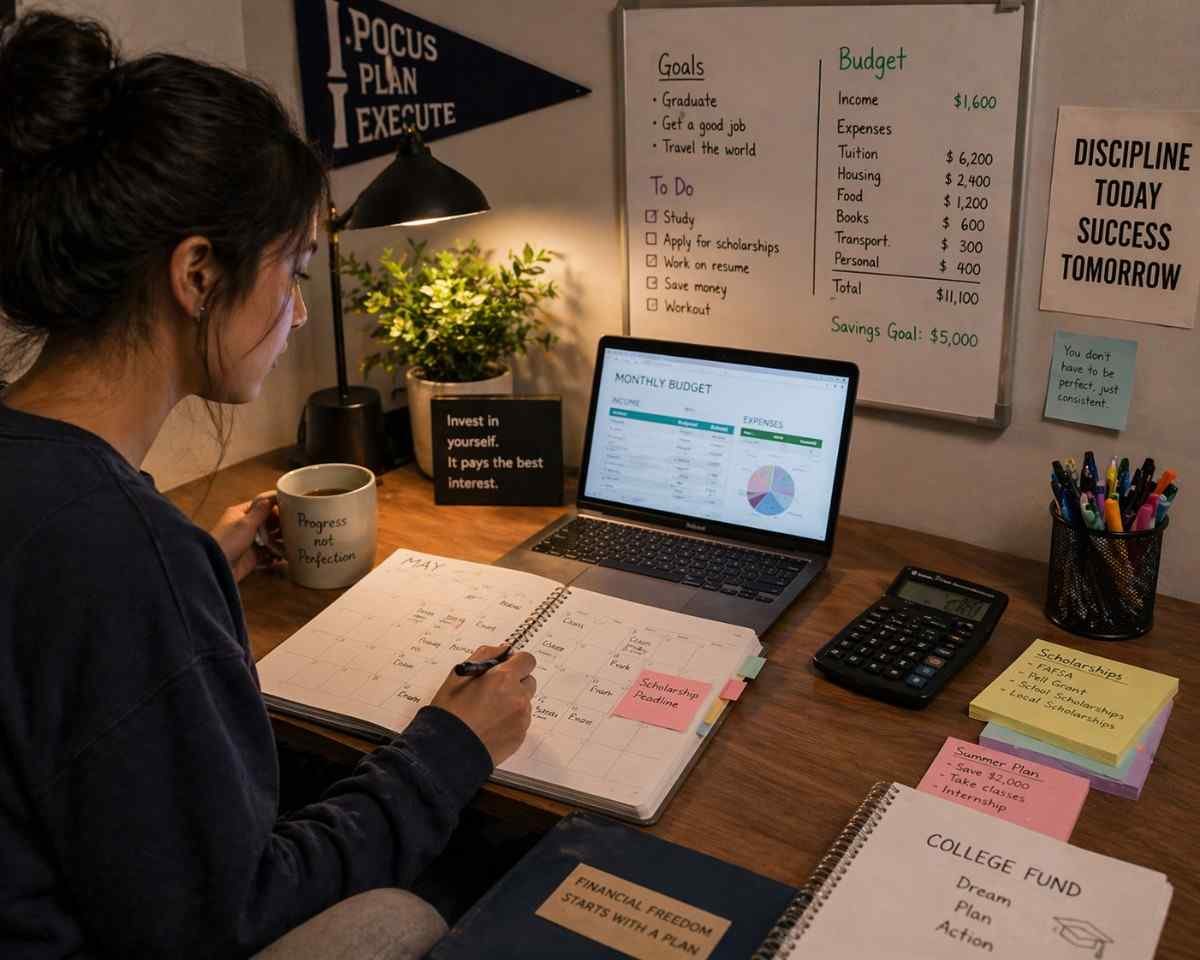
Beyond academics, college life demands independence. Many students will be living away from home for the first time, managing everything from laundry to meal planning.
Learning basic life skills beforehand can reduce stress significantly. This includes budgeting money, cooking simple meals, organizing personal schedules, and taking care of health needs like appointments and medications.
Even small steps—such as managing your own weekly allowance or planning your own meals—can build confidence for dorm life or off-campus living.
Developing Emotional Readiness
College is not just an academic journey—it’s also an emotional one. Students will encounter new environments, new people, and sometimes unexpected challenges. Being emotionally prepared can make the experience smoother.
It helps to build resilience by stepping out of your comfort zone before college. This could mean joining clubs, participating in group activities, or taking on leadership roles in school. These experiences teach communication, adaptability, and confidence.
It’s also important to recognize that feeling homesick or overwhelmed is normal. Having healthy coping strategies like journaling, exercise, or talking to friends can make a big difference.
Planning Financially
Understanding basic financial responsibility is another crucial part of college preparation. Students should learn how to budget for daily expenses, track spending, and distinguish between needs and wants.
If possible, having a simple monthly budget before college begins helps students avoid financial stress later. Parents and students can also discuss tuition planning, allowances, and potential part-time work options.
Getting Familiar with Campus Life
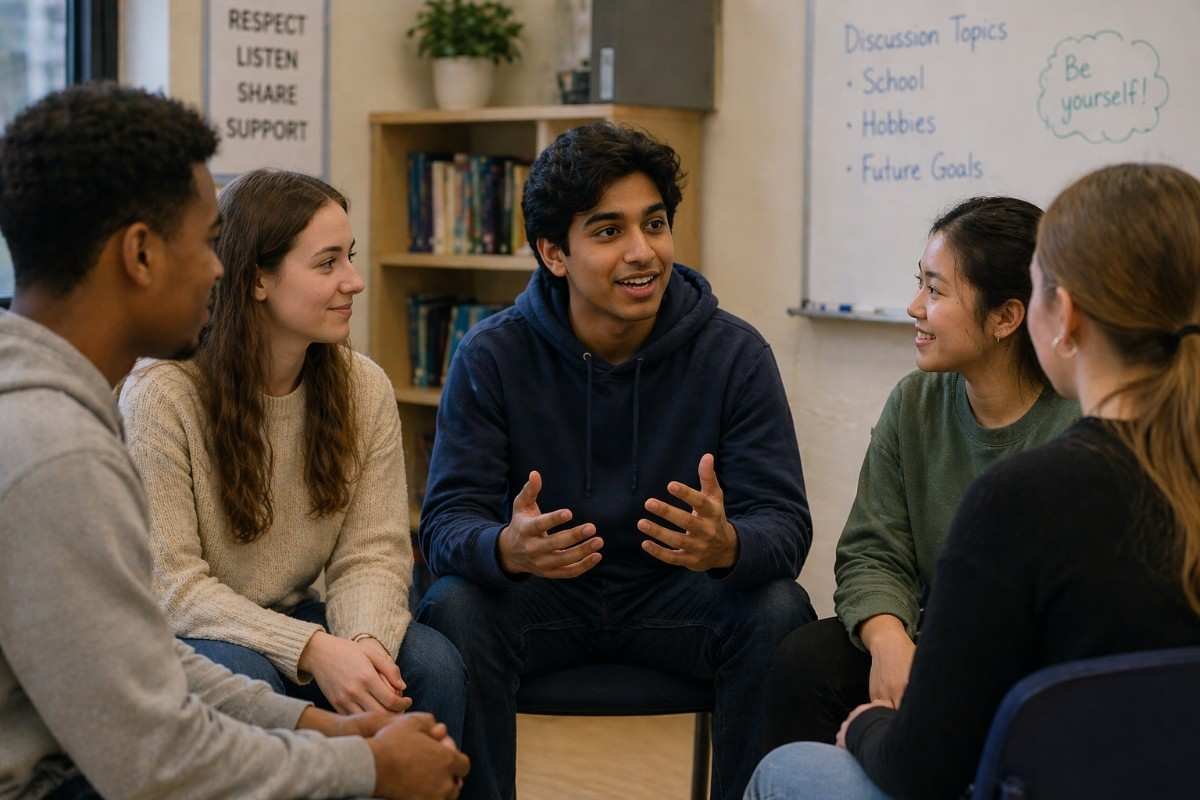
If you already know which college you’ll attend, take time to explore it virtually or in person. Learn about campus facilities, libraries, student organizations, and support services. Knowing where things are—like academic advising or health centers—can reduce anxiety during the first few weeks.
Joining orientation programs is also highly recommended, as they help students meet peers and understand campus culture early.
Building Social Confidence
Meeting new people is a big part of college life. Developing communication skills before arriving on campus can make social transitions easier. Practice introducing yourself, engaging in conversations, and being open to different perspectives.
Remember, everyone is adjusting during the first few weeks, so building connections takes time. Being approachable and respectful goes a long way.
Final Thoughts
Preparing for college is about more than just academics—it’s about becoming independent, confident, and adaptable. By strengthening study habits, building life skills, and preparing emotionally and financially, students can make the transition much smoother.
College is a new chapter filled with opportunities for growth, learning, and discovery. With the right preparation, you won’t just adjust—you’ll thrive.