
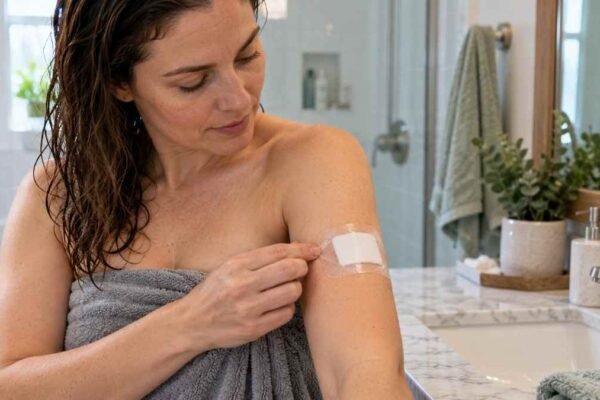




Choosing a Waterproof Bandage for Everyday Activities
A waterproof bandage can make some everyday activities easier, but the label does not automatically mean every wound can be submerged. The right choice depends on the wound, the product’s instructions, and any directions from the clinician responsible for care. Start with those requirements rather than the activity you hope to resume.
Check whether the product is intended for the situation and whether the surrounding skin can support a good seal. A dressing that lifts at the edges may no longer provide the protection you expected. Follow instructions for application, wear time, and replacement.
Match the dressing to the care plan
A watertight bandage should not be used to override medical instructions to keep an area dry or avoid swimming. Ask a clinician about bathing and activity restrictions when you have a surgical incision, a significant wound, or uncertainty about care. Water-resistant and waterproof claims may come with specific limits.
Before applying a dressing, read the packaging and check the size and seal area. During use, watch for loosening, moisture entry, or skin irritation and follow the product’s replacement guidance. Seek medical advice for worsening redness, pain, drainage, fever, or other concerns about the wound. The most useful bandage is one that supports appropriate care and fits the activity within the limits of the instructions.

Think through the activity before choosing the dressing. Swimming also requires practical choices when coverage is non-negotiable. Showering, washing dishes, exercise, and swimming do not expose an area to the same conditions. Read the product’s stated limits and ask a clinician when the wound or care instructions make the choice uncertain. Do not assume that a successful shower establishes suitability for prolonged immersion.
Also consider where the dressing sits and how movement affects the edges. A joint, skin fold, or area repeatedly rubbed by clothing may need closer attention to fit and wear. Follow the instructions rather than adding improvised layers to make the product seem more secure. Keep replacement supplies available and know what to do if the seal no longer appears intact.
Explain the concern in practical terms
A short description of how the issue affects daily life can make a health appointment more productive. Include when it began, whether it changes over time, and what you have already tried. Bring a medication and supplement list, relevant medical history, and questions you do not want to forget.
Avoid changing prescribed treatment simply to prepare for a visit unless the responsible clinician instructs you to do so. When a service involves a product or procedure, ask whether it is appropriate for your circumstances. General advertising cannot establish that a particular option is safe or useful for an individual.
Understand the person and plan
Confirm who will evaluate your needs and what credentials apply to the service. Ask what the proposed approach is intended to achieve, what evidence supports it, and which alternatives are available. Medical guidance can also shape broader long-term health decisions. The option of doing nothing or pursuing a different type of care may be relevant.
A clear explanation should distinguish expected benefits from uncertain claims. It should also cover meaningful risks, limitations, follow-up, and situations that require a different level of care. If a term sounds impressive but remains vague, ask what it means in practice and how the provider would determine whether the approach is helping.
Useful questions to bring

- What information do you need before making a recommendation?
- What benefits are realistic for someone in my situation?
- What risks or interactions should we discuss?
- What will the service cost, including follow-up?
- Who should I contact if I have concerns afterward?
Leave with a usable next step
Before the appointment ends, repeat back the main instructions in your own words. This gives the professional a chance to correct misunderstandings. Request written information when several steps are involved, and clarify which decisions can wait while you gather more information.
Keep personal notes about the recommendation, the reason for it, and the agreed follow-up. If insurance may apply, verify coverage and out-of-pocket costs directly rather than relying on a general statement that a service is covered. The goal is not to master medical terminology. It is to understand the proposed care well enough to make an informed choice and know what happens next.
If you are considering several services, compare them against the same personal goal. Ask how each option would address that goal and what would count as a meaningful improvement. A recommendation should make sense in the context of your overall care, including other professionals you see.
Share relevant information between providers through appropriate channels, and clarify who is responsible for follow-up. This helps prevent an isolated appointment from becoming disconnected from the rest of your health decisions.
Contact DrySee with questions about product instructions, and ask your clinician which dressing and activity limits suit your wound-care plan.