





How to Bring a Product from Concept to Market
Every successful product starts as a simple idea. Turning that idea into a physical item consumers can buy requires careful planning and execution. The product development journey involves multiple stages, each with its own set of unique challenges.
Phase 1: Ideation and Concept Development
The first step in creating a new product is solidifying your core concept. This phase is all about understanding what your potential customers actually want to buy.
Identifying Market Needs
Great products solve specific problems. Start by researching your target audience to identify their pain points. Conduct surveys, read competitor reviews, and talk to potential users. Gathering this data ensures your idea has a built-in audience waiting for a solution.
Brainstorming and Feasibility
Once you understand the problem, start generating solutions. Encourage your team to share creative ideas without judgment. After you have a solid list of concepts, evaluate their technical and financial feasibility. Determine if you have the resources, technology, and budget to actually create the proposed item.
Prototyping and Testing
A prototype brings your concept into the physical world. Your first version does not need to be perfect. Use basic materials or 3D printing to create a functional model. Test this prototype with real users to gather feedback. Use their insights to refine the design before moving forward.
Phase 2: Design and Engineering
With a tested concept in hand, you can focus on the specific technical details required for mass production.
Detailed Design
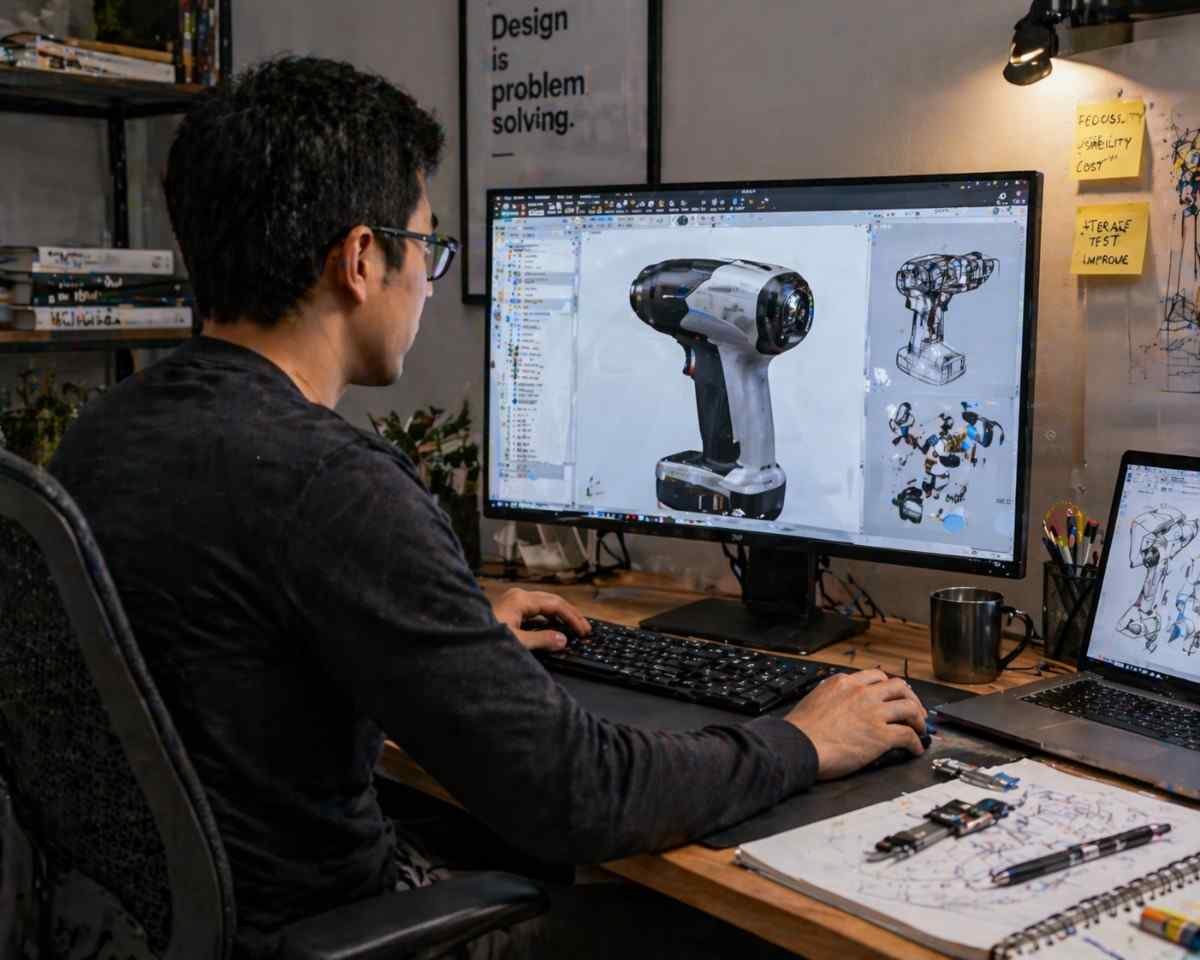
Engineers and designers work together to finalize the product’s exact specifications. They create computer-aided design (CAD) models that map out every curve, component, and measurement. This step ensures the product looks appealing while functioning exactly as intended.
Material Selection
Choosing the right materials impacts both product durability and production costs. Evaluate different plastics, metals, or fabrics based on your product’s specific use case. Balance the desire for high-quality materials with the need to keep your final retail price competitive.
Manufacturing Considerations
Design your product so a factory can easily build it. This principle is known as design for manufacturing (DFM). Simplifying parts and reducing the number of assembly steps will significantly lower your production costs and minimize potential defects down the line.
Phase 3: Sourcing and Production
This phase transforms your digital blueprints and rough prototypes into finished goods ready for the shelves.
Supplier Selection
Finding reliable manufacturing partners is critical to your success. Look for suppliers with a proven track record in your specific industry. Depending on your product requirements, you might need specialized manufacturing partners, such as those providing outsourced metal casting for heavy-duty components. Always request samples and check references before signing a contract.
Quality Control
Establish strict quality standards before production begins. Create a checklist for factory workers and independent inspectors to follow. Regularly checking the product during the manufacturing run prevents entire batches of defective items from reaching your warehouse.
Scaling Production
Start with a small production run to test the manufacturing line. If the initial batch meets your quality standards, you can confidently increase the volume. Gradually scaling production helps you manage cash flow and prevents you from holding too much unsold inventory.

Phase 4: Marketing and Launch
A great product will not sell itself. You need a clear strategy to get it in front of paying customers.
Branding and Positioning
Determine how you want the public to view your product. Create compelling messaging that highlights the unique benefits of your item. Design eye-catching packaging that stands out on retail shelves or in digital storefronts.
Distribution Channels
Decide exactly where your customers will buy the product. You might sell directly through your own e-commerce website, partner with massive online marketplaces, or pitch to physical retail stores. Many successful companies use a mix of multiple channels to maximize their total reach.
Post-Launch Evaluation
The work does not stop after launch day. Closely monitor your early sales numbers and customer reviews. Pay attention to any recurring complaints or feature requests. This immediate feedback helps you improve your marketing messaging and fix minor issues. Allows planning for tax-smart retirement strategies to maximize savings for the future.
Conclusion
Bringing a product to market requires dedication across many different disciplines. By following a structured approach through ideation, design, production, and marketing, you significantly increase your chances of a successful launch.