



7 Principles of Functional Outdoor Living Spaces
A well-designed backyard offers far more than just a patch of grass. It acts as a natural extension of your home, providing a dedicated area to relax, entertain, and connect with nature. However, transforming a bare patio or overgrown yard into a highly usable haven requires careful planning. Without a solid strategy, you might end up with a layout that looks beautiful in photographs but fails to serve your practical needs.
Designing an exterior area demands a thoughtful approach that balances aesthetics with everyday utility. You want a setup that accommodates your family’s habits, withstands local weather conditions, and requires a manageable level of upkeep. By following a few core design rules, you can create a customized environment that perfectly supports your lifestyle.
Read on to learn the seven principles of functional outdoor living spaces. These guidelines will help you maximize your property’s potential and create a cohesive retreat you will actually want to use day after day.
1. Purposeful Zoning
Just as your home interior features different rooms for different activities, your exterior should have distinct zones. Start by identifying exactly how you want to use the area. You might need a dining space for summer barbecues, a quiet corner for morning coffee, or an open lawn for children to run around.
Once you establish these functions, use visual cues to separate them. Area rugs, varying patio materials, or strategically placed planters can define each zone without requiring physical walls. This organizational method prevents the layout from feeling chaotic and ensures every square foot serves a specific purpose.
2. Seamless Indoor-Outdoor Flow
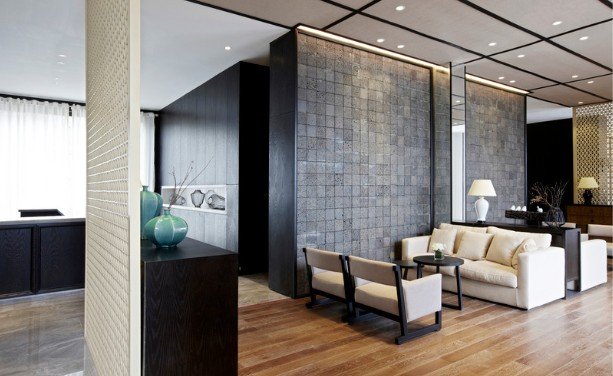
The most successful outdoor spaces feel deeply connected to the main house. You can achieve this seamless transition by matching your exterior design style with your interior decor. If your living room features modern, clean lines, carry that contemporary aesthetic out onto your patio.
Physical accessibility also plays a massive role in functionality. Position your outdoor dining table close to the kitchen to make serving meals easier. Use large sliding glass doors or French doors to remove visual barriers, encouraging family members and guests to drift naturally outside.
3. Climate-Responsive Design
A beautiful deck loses its appeal if it becomes unbearably hot by noon. To maximize the hours you can spend outside, you must account for your local climate. Track how the sun moves across your property throughout the day and plan accordingly.
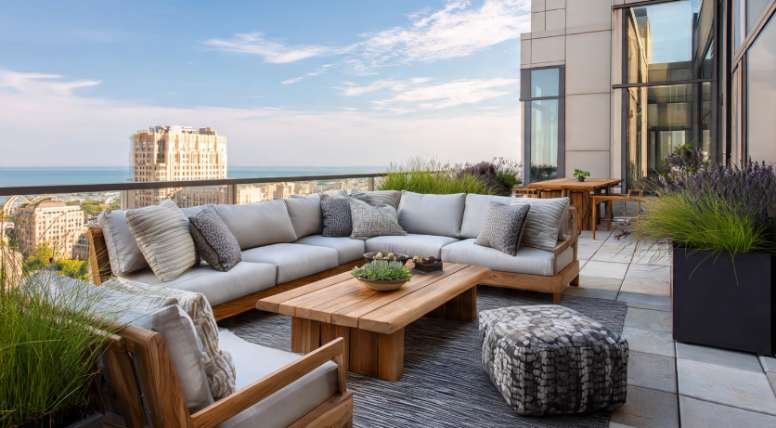
Install pergolas, shade sails, or oversized umbrellas over seating areas to block harsh afternoon rays. If you live in a cooler region, incorporate heating elements like fire pits or built-in outdoor heaters to extend the usability of the space well into the autumn months. Windbreaks, such as privacy screens or dense hedges, can also make exposed areas much more comfortable.
4. Durable and Appropriate Materials
Outdoor environments face constant exposure to UV rays, rain, and fluctuating temperatures. Selecting the right materials ensures your furniture and hardscaping survive the elements. Prioritize weather-resistant options like teak wood, powder-coated aluminum, and high-density polyethylene wicker for your seating.
For flooring, choose slip-resistant paving stones, poured concrete, or composite decking that requires minimal maintenance. Investing in high-quality, durable materials from the beginning saves you the frustration and expense of replacing rusted or rotted items after a single season.
5. Strategic Lighting
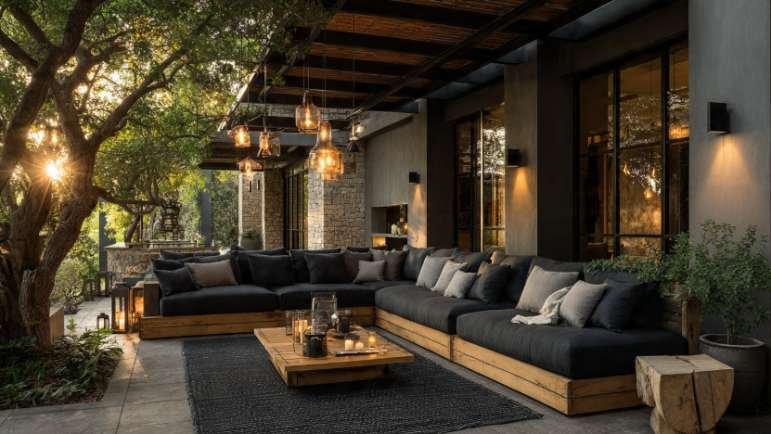
Proper illumination dramatically extends the functionality of your backyard, allowing you to enjoy the space long after the sun goes down. A layered lighting plan works best. Start with ambient lighting, such as string lights or wall sconces, to cast a soft and welcoming glow over the primary seating areas.
Next, add task lighting near outdoor kitchens or barbecue grills so you can see what you are cooking. Finally, incorporate accent and safety lighting along pathways, staircases, and near water features. This combination creates a safe environment while highlighting your favorite landscaping details.
6. Integration of Recreation and Activity
An engaging outdoor space should cater to your family’s hobbies and need for physical activity. Depending on your lot size, this could range from a simple bocce ball court to a fully equipped swimming pool. The key is to integrate these features naturally so they do not overwhelm the rest of the yard.
Regular maintenance guarantees these recreational zones remain safe and enjoyable over the years. For example, if your property includes a dedicated sports court, staying proactive with upkeep—like scheduling professional tennis court resurfacing in Utah—can completely revitalize the playing surface and prevent accidental injuries. Well-maintained amenities encourage frequent use and add tremendous value to your home.
7. Sustainable and Low-Maintenance Landscaping
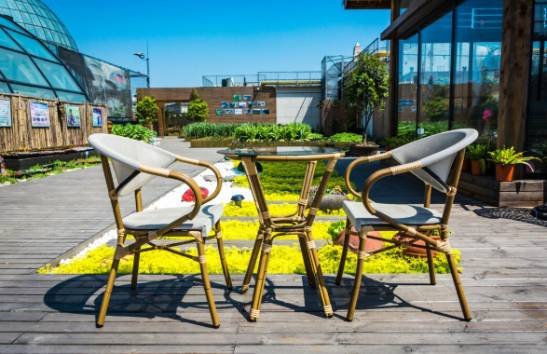
Functionality goes hand-in-hand with manageable maintenance. If you spend your entire weekend pulling weeds and mowing the lawn, you will not have time to actually relax. Opt for sustainable landscaping practices to reduce your workload.
Select native plant species that thrive in your specific climate with minimal intervention. These plants typically require less water and fertilizer than exotic varieties. Additionally, consider installing an automated drip irrigation system to keep your garden hydrated efficiently. Using mulch in your garden beds will help retain moisture and suppress weeds, giving you a beautiful yard that practically takes care of itself.
Elevate Your Backyard Experience
Transforming your backyard into a highly functional living space is entirely within reach. By focusing on purposeful zoning, seamless transitions, climate readiness, and durable materials, you establish a strong foundation for your design. Layering in smart lighting, maintaining recreational areas, and choosing sustainable plants will complete the transformation.
Take a walk around your property today and evaluate how it currently functions. By implementing these seven principles, you can create an inviting, practical, and enduring outdoor oasis tailored perfectly to your daily life.
If you want to add even more charm and natural appeal to your outdoor living spaces, consider incorporating elements from nature. Learn more about decorating with natural materials to elevate your backyard’s design with warmth and authenticity.