


Safety First: Best Practices in Competitive Shooting
Stepping onto a competitive shooting range brings an unmatched rush of adrenaline. However, that excitement must always take a back seat to strict safety protocols. Competitive shooting requires immense focus, precision, and a flawless commitment to range rules. This guide outlines the essential practices you need to follow to keep yourself and others secure during a match. You will learn the core rules of firearm handling, the importance of equipment checks, and proper range etiquette.
The Universal Rules of Handling
Safety begins the moment you interact with your equipment. You must build unbreakable habits to prevent accidents.
Assume It Is Loaded
Never trust a visual check alone. You must treat every single firearm as if it contains live ammunition. This mindset prevents accidental discharges and builds a foundation of respect for the equipment. When you pick up a firearm, immediately check the chamber and magazine well. Even after verifying it is empty, continue to handle it with the exact same caution you would use if it were fully loaded.
Master Muzzle Control
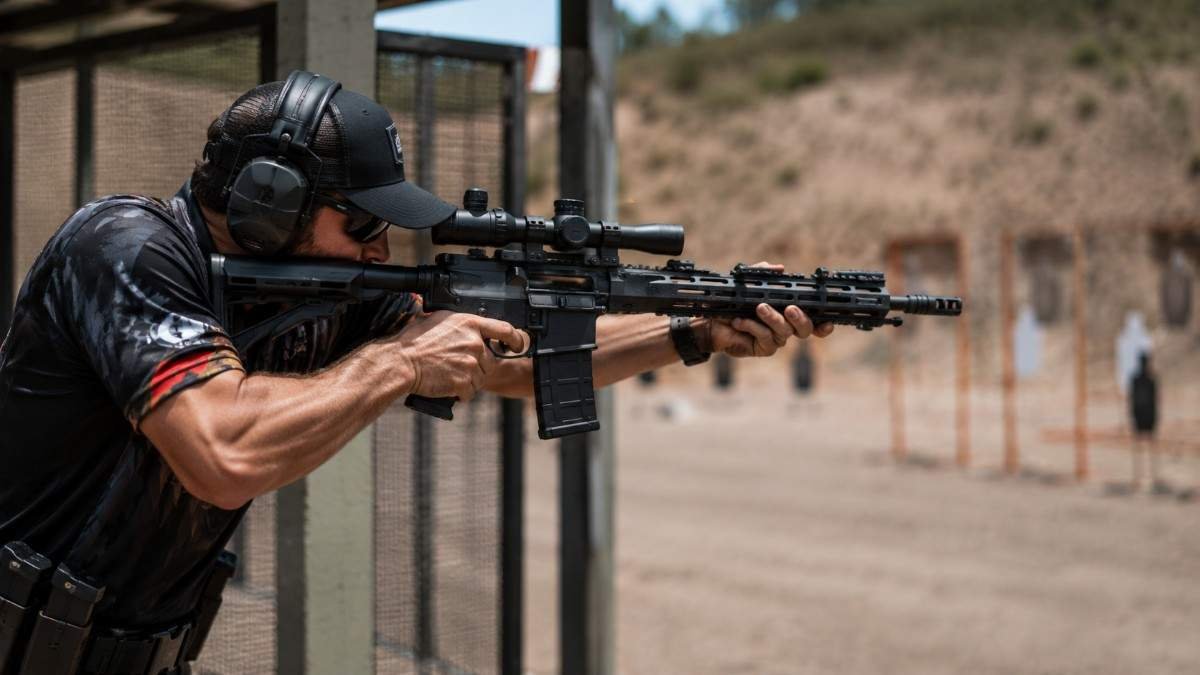
Your muzzle must always point in a safe direction. A safe direction means that if the gun were to fire, it would not cause injury or property damage. During a match, the safe direction is typically downrange toward the berm. If you move between shooting positions, you must maintain absolute awareness of where your barrel points. Pointing the muzzle behind the firing line will result in an immediate disqualification at any serious event.
Keep Your Finger Off the Trigger
Trigger discipline serves as your primary physical firearm safety mechanism. Keep your finger straight and completely outside the trigger guard until your sights align with the target. When you move between shooting positions, your finger must return to the frame of the firearm. Tripping or stumbling while moving with your finger on the trigger often leads to disastrous consequences. Make this indexing habit so deeply ingrained that you do it automatically without thinking.
Equipment and Gear Verification
Your gear must function flawlessly to maintain safety on the course. Faulty equipment presents a severe danger to you and the spectators.
Inspect Your Components
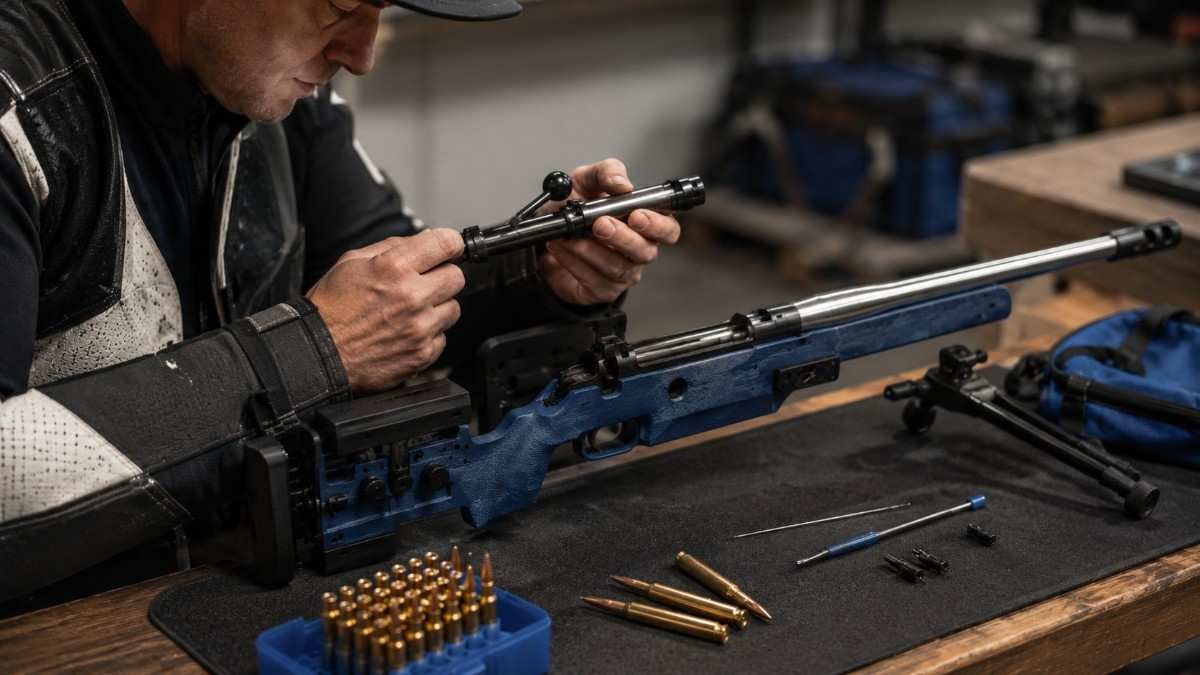
Before you arrive at the match, conduct a thorough inspection of your equipment. Check your barrels, triggers, and bolt carrier groups for signs of excessive wear. If you use a customized setup, ensure all parts fit together securely. For example, verifying the secure fit of a 308 Complete Upper guarantees that your rifle operates reliably under pressure. A mechanical failure during a timed stage puts everyone at risk, making preventative maintenance absolutely vital.
Use the Correct Ammunition
Firing the wrong caliber or improper loads creates a massive safety hazard. Always double-check your ammunition before stepping up to the firing line. Inspect your cases for cracks, bulges, or recessed primers. If you load your own ammunition, follow published load data strictly to avoid over-pressurized rounds that could cause a catastrophic failure. Keeping your ammunition organized prevents dangerous mix-ups during the stress of a competition.
Wear Proper Protection
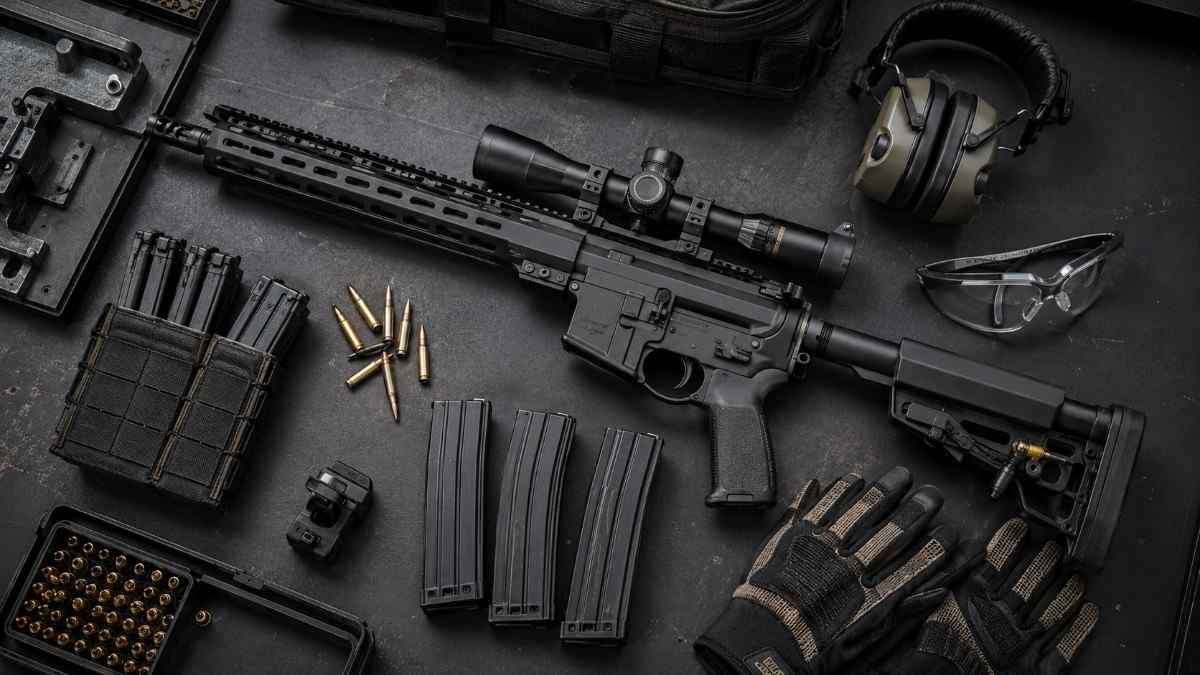
Loud noises and flying debris are constant factors at a match. You must protect your hearing and vision at all times. Use high-quality electronic ear protection that blocks dangerous decibel levels while allowing you to hear range commands. Wrap-around shatterproof safety glasses protect your eyes from hot brass, ricochets, and unburnt powder. You should keep this protective gear on until you completely leave the active firing zones.
Navigating the Range Safely
Moving around a competition requires adherence to strict behavioral guidelines. You must respect the officials and the designated zones.
Follow the Range Officer
The Range Safety Officer commands absolute authority on the field. Their primary job is to keep everyone alive and uninjured. You must listen to their instructions carefully and obey them instantly. If they call a cease-fire, stop shooting immediately, keep your muzzle pointed downrange, and wait for further directions. Never argue with a safety official, as their perspective covers the entire bay and hazards you might not see.
Moving Between Stages
Transporting your firearms from one stage to another requires specific procedures. Long guns should be carried with the muzzles pointing straight up or straight down, with chamber flags clearly inserted. Handguns must remain holstered and completely unloaded until you receive the command to make ready. Do not handle any firearms in the parking lot or staging areas unless you are at a designated safe table. Furthermore, never bring ammunition near a safe table.
A successful match is a safe match. By strictly adhering to these fundamental protocols, you ensure that competitive shooting remains a secure environment for all participants. Make these habits automatic every time you pack your range bag. Review the rulebook for your specific discipline, inspect your gear regularly, maybe personalize your firearm and always prioritize caution over speed.