
Signs Your Tennis Court Needs a New Surface
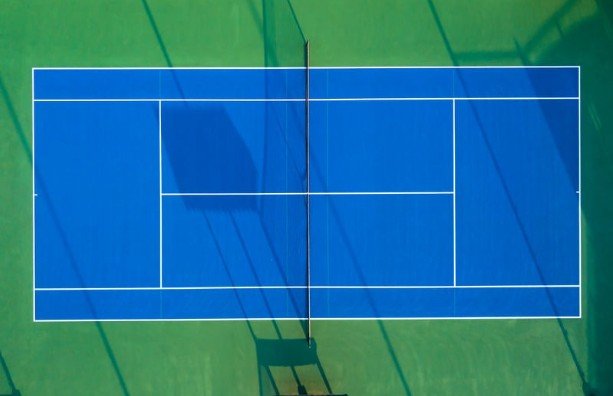
A well-maintained court provides a safe, enjoyable, and consistent playing experience. Regardless of its location—whether at a private residence, sports facility, or community center—the court’s surface is crucial for performance and player safety. Over time, however, exposure to weather, frequent use, and natural aging will cause the surface to deteriorate.
Many court owners delay maintenance until problems become severe, but recognizing early warning signs can prevent more costly repairs down the line. If you are considering tennis court surfacing in Utah, understanding the signs of wear will help you determine when it’s time for an upgrade.
Cracks Are Starting to Appear
One of the most common signs that your tennis court needs resurfacing is the appearance of cracks. While small cracks may seem harmless, they can expand over time due to weather and regular play.
Cracks affect ball bounce, create uneven playing surfaces, and increase the risk of player injuries. Temperature changes can cause the surface to expand and contract, worsening existing cracks. Addressing these issues early helps preserve the court and prevent more extensive damage.
The Surface Looks Faded and Worn
A tennis court should look clean and professional, but its color can fade over time due to sunlight, moisture, and foot traffic. While this might seem like a purely cosmetic issue, fading often indicates that the protective top layers are wearing thin.
These coatings shield the court from the elements and everyday use. Resurfacing not only improves the court’s appearance but also restores this protective barrier, helping maintain its overall condition and making the facility feel newer and more inviting.
Water Remains on the Court After Rain
Proper drainage is crucial for a healthy tennis court. If puddles remain on the surface long after it rains, it could indicate drainage issues or depressions in the surface. Standing water can weaken court materials, leading to cracks, surface separation, and slippery conditions.
When water consistently gathers in the same spots, it’s time to consider resurfacing or repairs. Addressing these drainage problems will extend the court’s life and improve its performance.
Inconsistent Ball Bounce
A tennis court should offer a consistent, predictable playing experience. If you notice the ball bouncing irregularly, the surface is likely no longer level or smooth. This can happen due to wear, settling, cracks, or aging materials. An inconsistent bounce disrupts gameplay and frustrates players. Resurfacing can restore a smooth, uniform playing surface, improving both performance and enjoyment on the court.
Surface Texture Is Wearing Away
Tennis courts have a textured coating that provides the necessary traction for player movement. Over time, this texture can wear away, making the surface slick and increasing the risk of slips and falls. Reduced traction can negatively impact a player’s confidence and performance. Resurfacing the court restores its grip, ensuring a safer playing environment.
Repairs Are Becoming More Frequent
While occasional maintenance is standard for outdoor sports facilities, constantly repairing cracks, patching surfaces, or fixing other recurring problems can become costly. If you find yourself making frequent repairs, it’s often more cost-effective to resurface the court.
These repeated fixes suggest the surface has reached the end of its lifespan, and temporary solutions won’t solve the underlying issue. For players focused on choosing your first pickleball journey, a safe and reliable court surface can make practice more enjoyable and consistent. A new surface provides a comprehensive, long-term solution that can reduce future maintenance needs.
Player Safety Concerns Are Increasing
Court owners and facility managers should always prioritize safety. An uneven surface, cracks, standing water, or a worn texture can all increase the risk of injury. Players might trip, slip, or feel joint pain when playing on a deteriorated court. If users express concerns about the court’s condition, take them seriously. Resurfacing creates a safer environment that helps players perform at their best and benefits everyone who uses the facility.
The Court Is Showing Signs of Age
Even the best-maintained courts eventually show signs of aging. Surface coatings naturally wear down over time due to usage, weather, and maintenance history. As courts get older, they can lose their visual appeal, performance, and structural integrity. Resurfacing refreshes the court and extends its lifespan, protecting the facility’s value and ensuring a positive player experience.
Benefits of Professional Tennis Court Surfacing
Professional resurfacing offers several advantages beyond just improving appearance. A new surface can restore consistent ball response, enhance durability, and address minor damage, which improves player safety.
Many contractors also offer pickleball court surfacing and other sports court maintenance, ensuring courts meet performance standards and withstand local weather. A professionally resurfaced court typically requires less maintenance and provides a better playing experience for years.
When Should You Schedule a Court Evaluation?
If you notice several signs of wear, it’s wise to schedule a professional court inspection. An experienced contractor can assess the surface’s condition, identify underlying problems, and recommend the best course of action. Addressing minor issues early can prevent them from becoming larger, more expensive repairs.
A professional evaluation provides crucial insight into your court’s current state and helps you plan for long-term maintenance, ultimately preserving the court and reducing future costs.
Conclusion
A tennis court is a valuable investment that requires regular care. Cracks, fading, drainage issues, inconsistent ball bounce, and a worn texture are all signs that resurfacing may be necessary. Addressing these issues early can protect your court, improve safety, and enhance the playing experience. A well-maintained surface ensures players can enjoy the game while maximizing the court’s lifespan.